

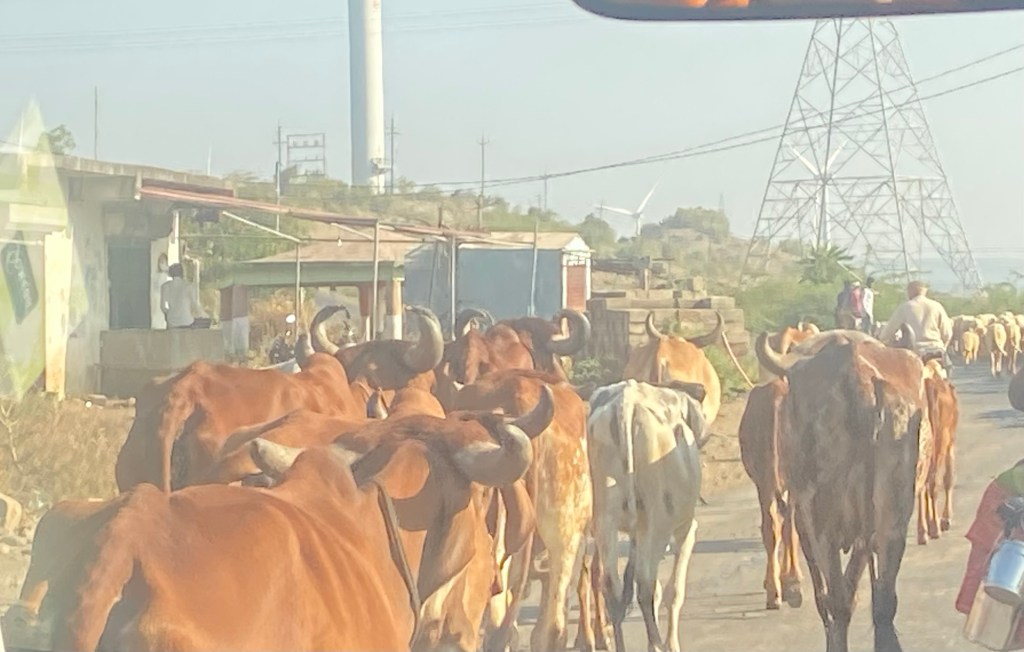
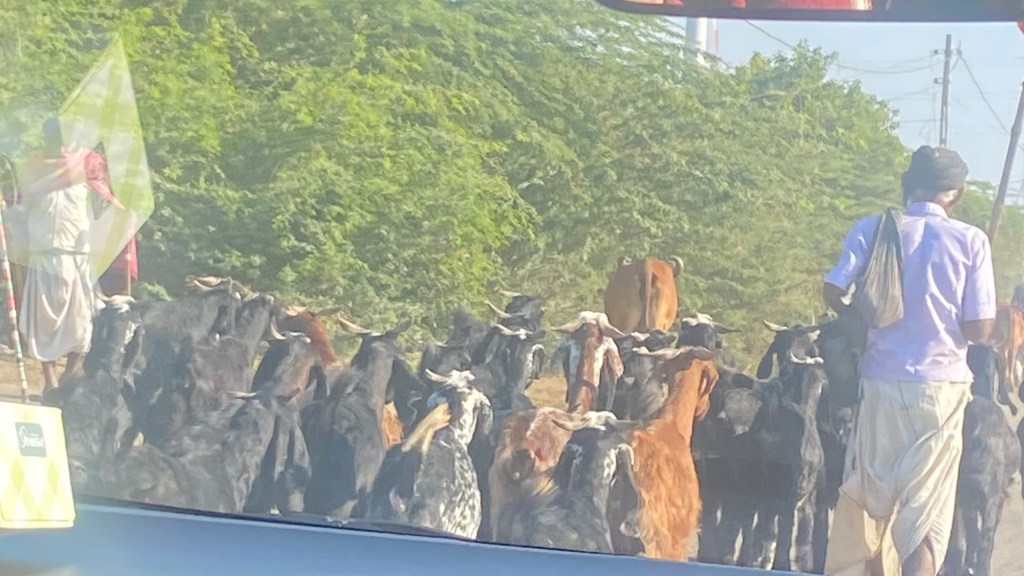
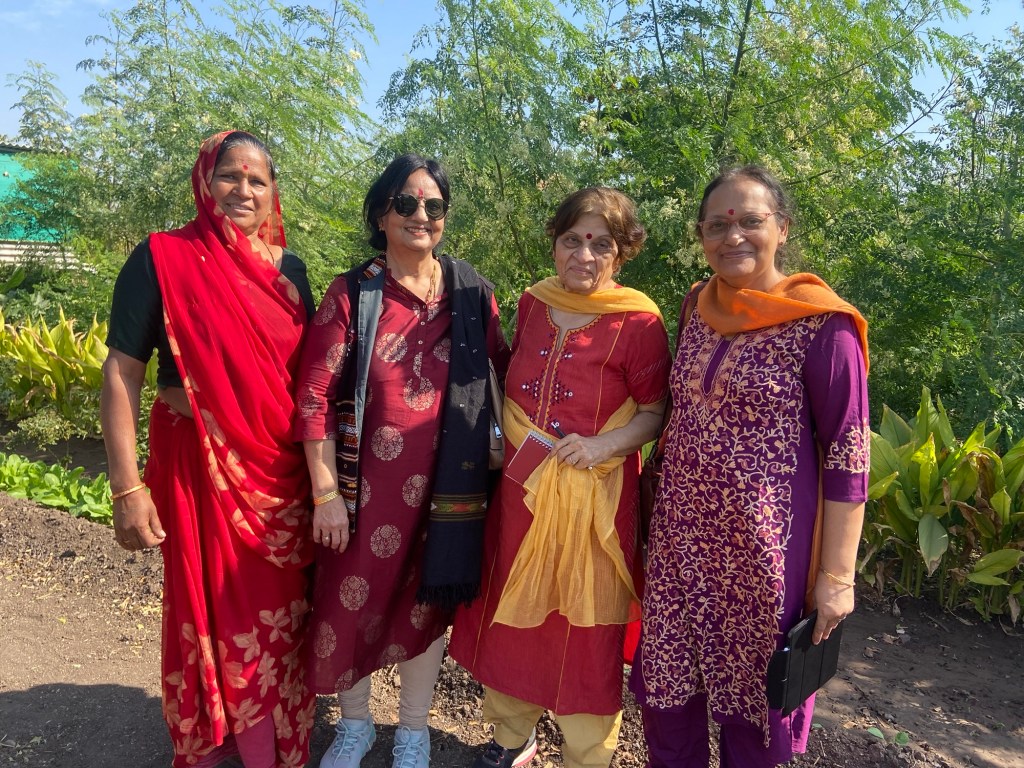
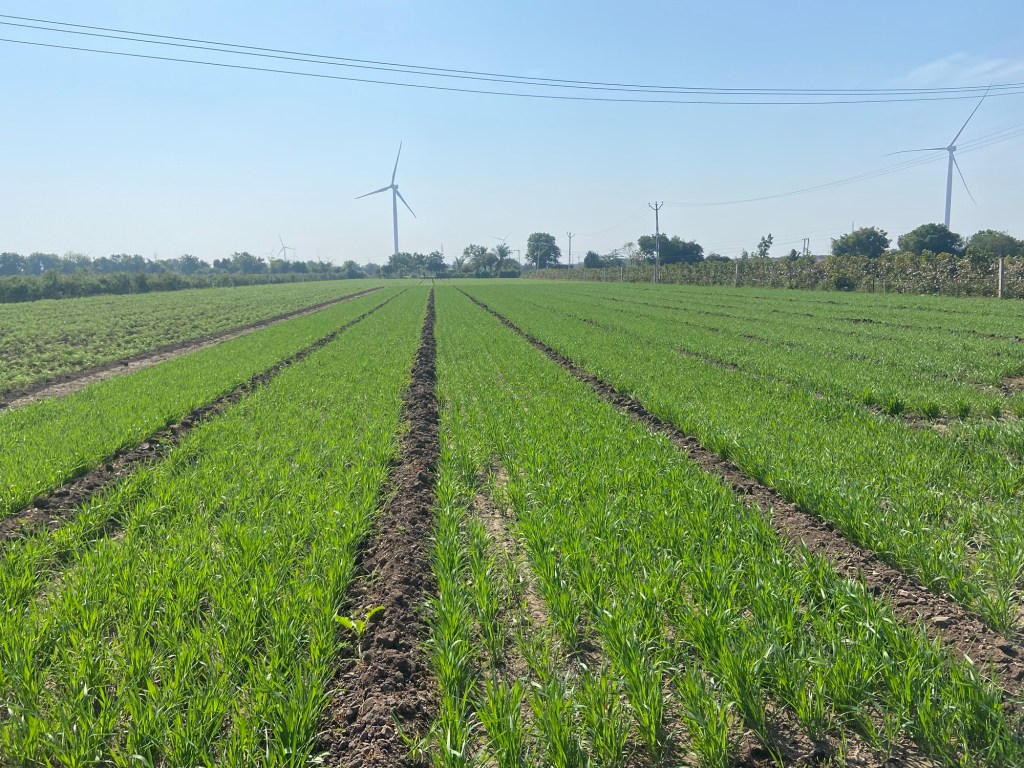
We had an enriching visit to understand sustainable agricultural practices in Amreli district, where the Friends of Women’s World Banking, Ahmedabad is working with women farmers. On the way we met cows and goats being herded to the grass lands! We also saw a large number of windmills, a feature of coastal Gujarat’s renewable energy program.

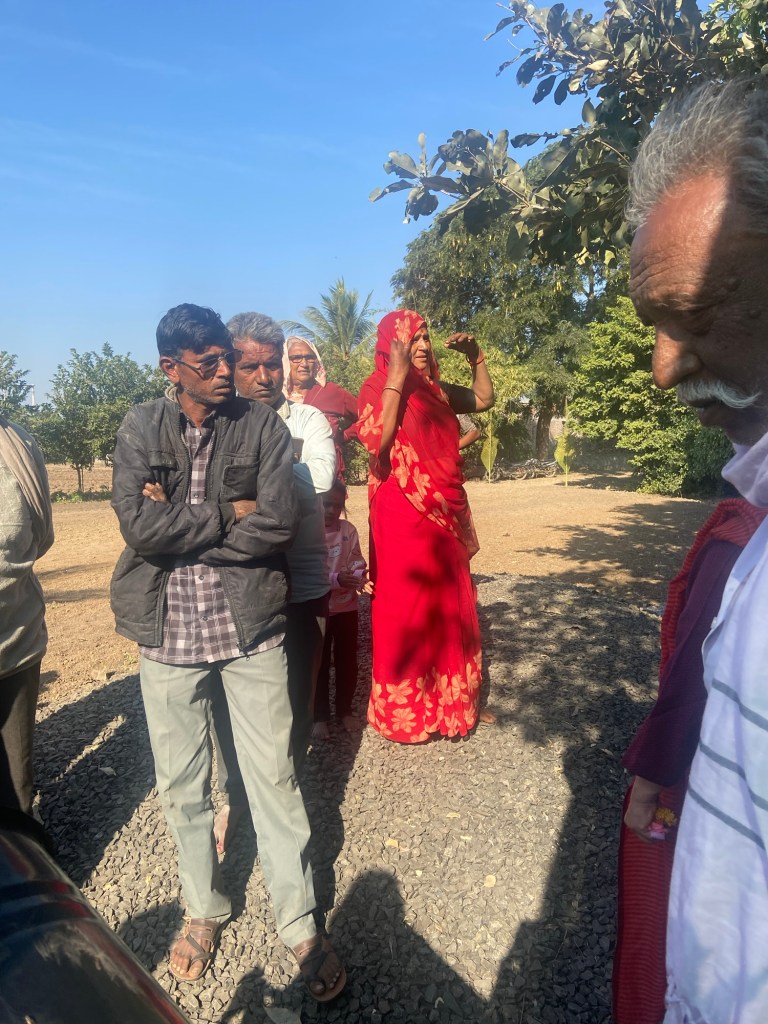
We visited a Bio Resource Centre that produced natural farm inputs. This Center showcased new technologies for natural inputs to support livelihoods, enhance viability, and profitability of their agriculture. We met farmers and women farmers who explained the advantages of natural farming.
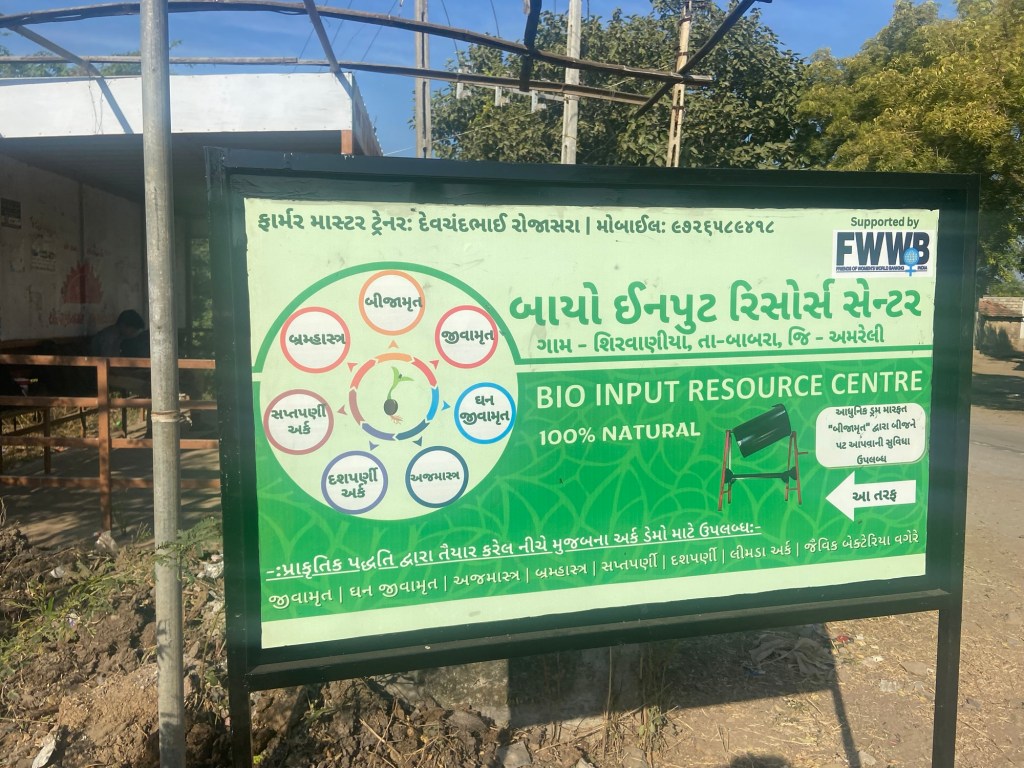


To enhance productivity through natural farming, this Center make products like JeevaAmrit, GhanAmrit and Brahmastra. The Brahmastra fascinated me as it means the most destructive, powerful and irresistible weapon, according to Hindu mythology. An important ingredient of all these natural inputs was cow urine popularly termed ‘gowmutra’. It is known to have medicinal properties and is germicidal, antibiotic and antimicrobial.
We visited a Demonstration Plot and met women and men farmers who explained the advantages of using these natural inputs on their farms. In the video the farmer explains how adopting climate resistant sustainable practices can reduce farming input costs, enhance land productivity and improve soil health.


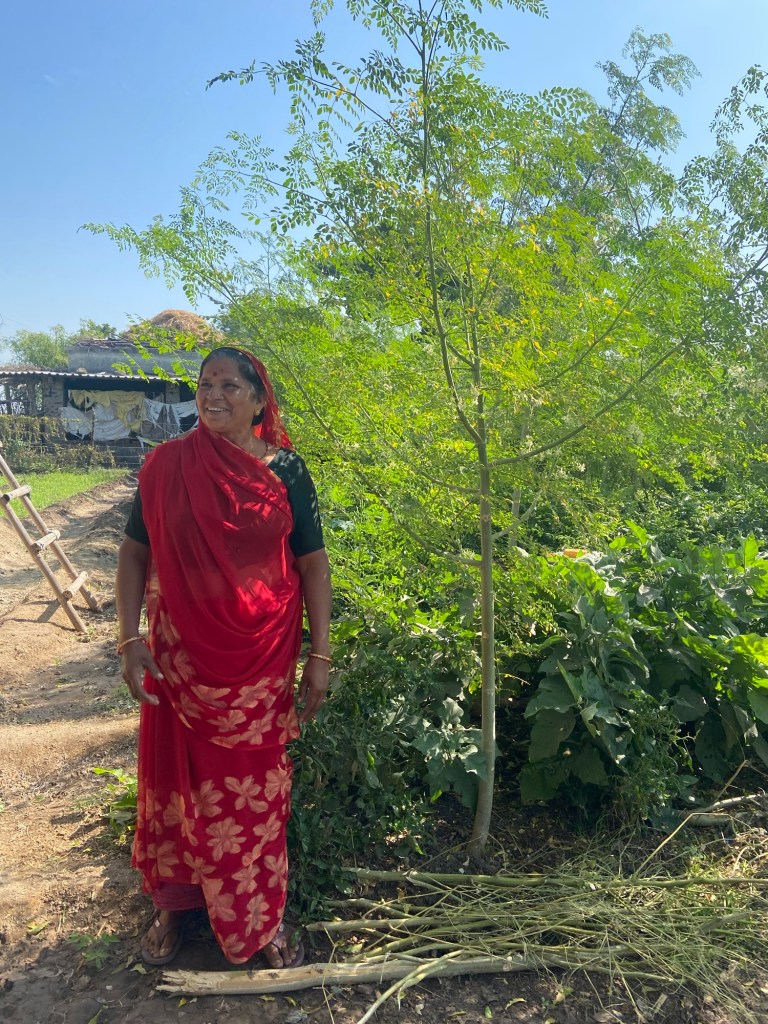
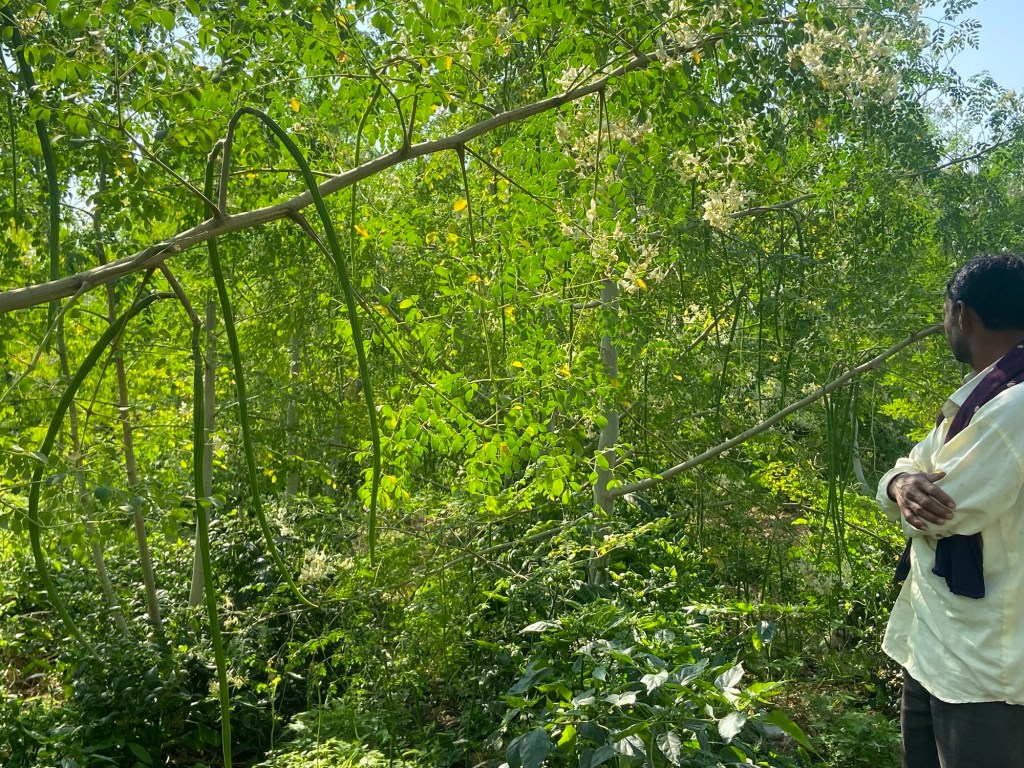
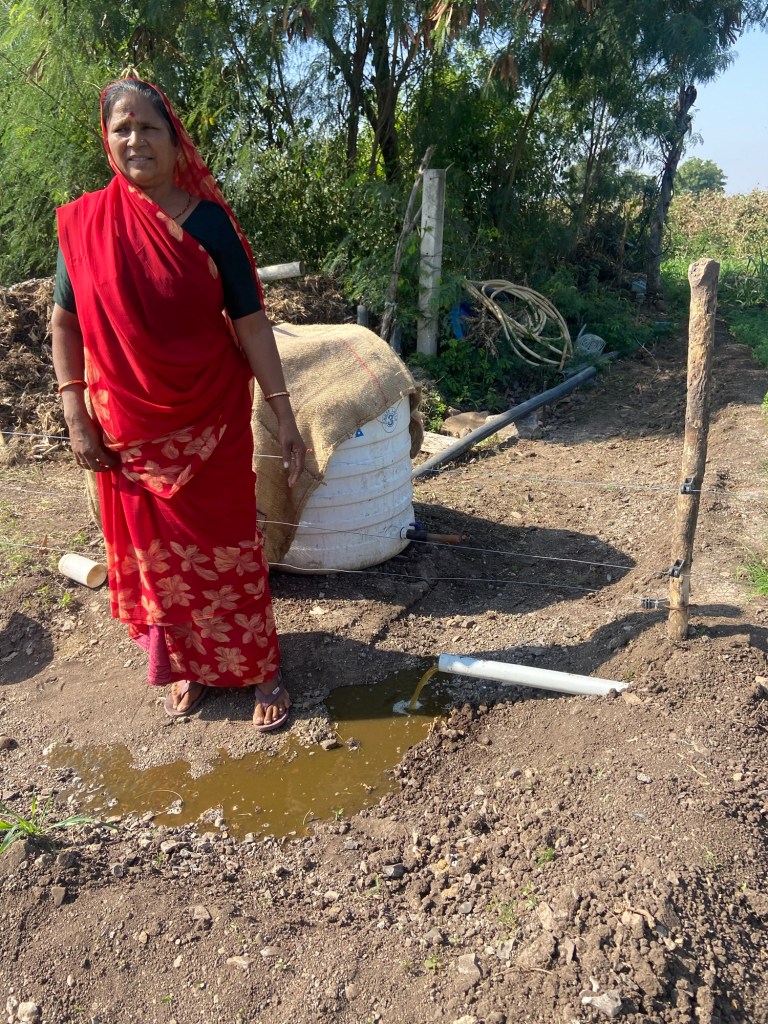
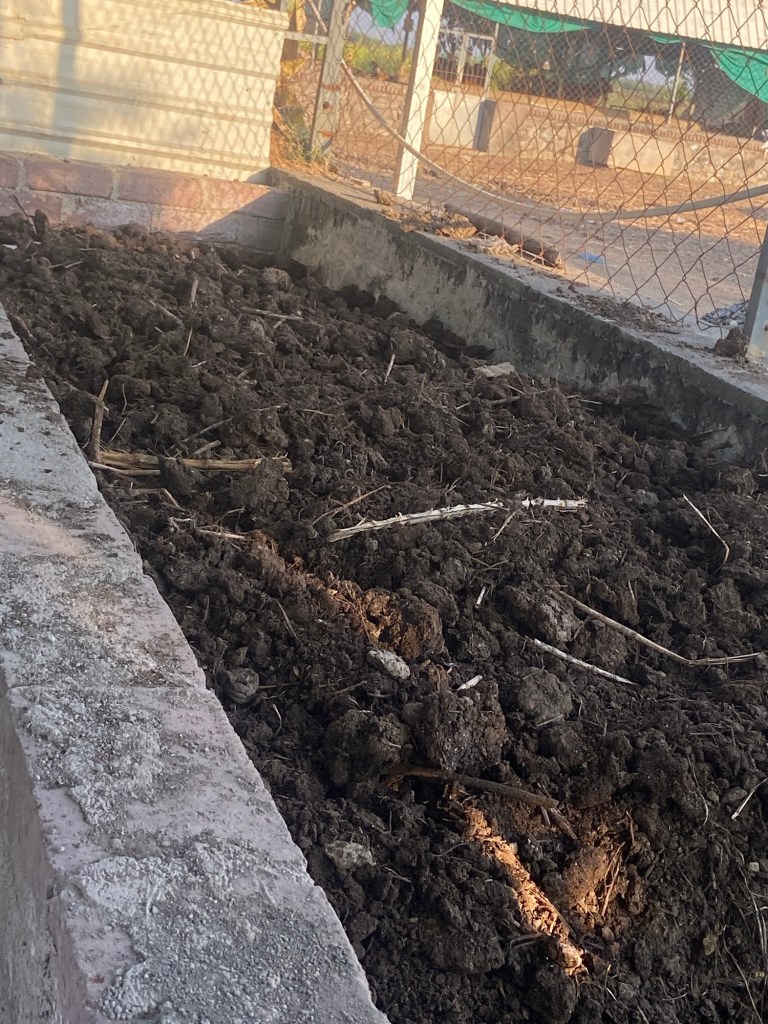
We visited Radha’s naturally farmed Moringa (drumsticks) fields. She had cows in cowshed with drains that tools the cow urine into a tank. Along with a mulch of Cow dung and crop waste natural manure was formed. A system of pipes took this directly to the fields of wheat and Moringa.
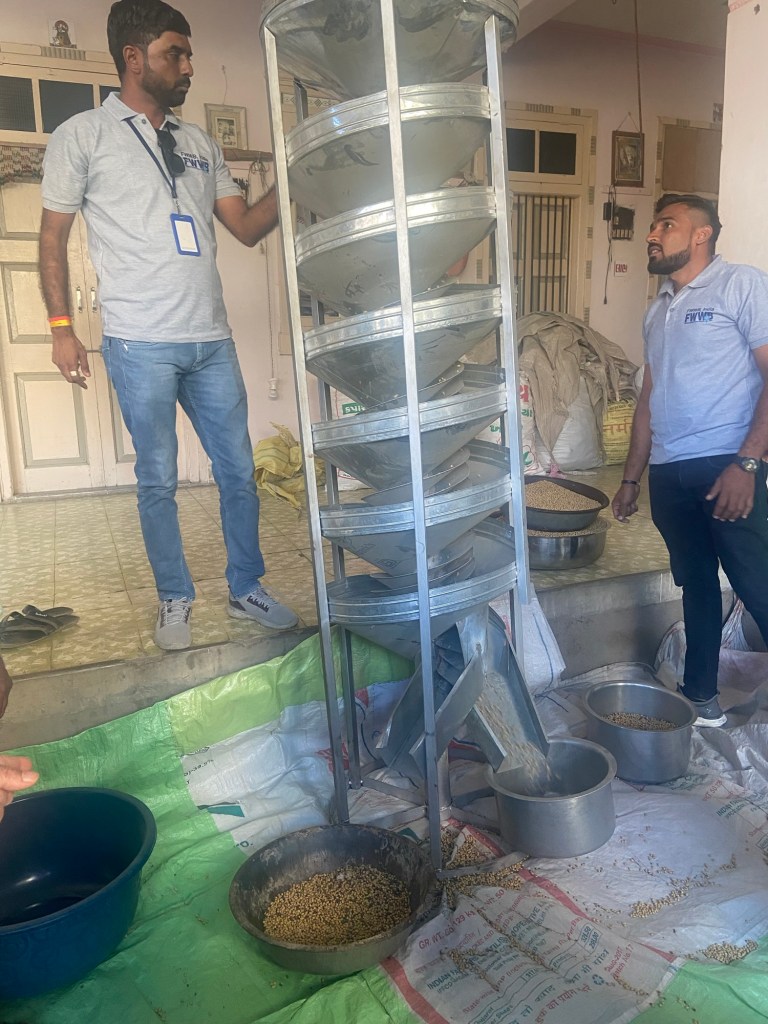
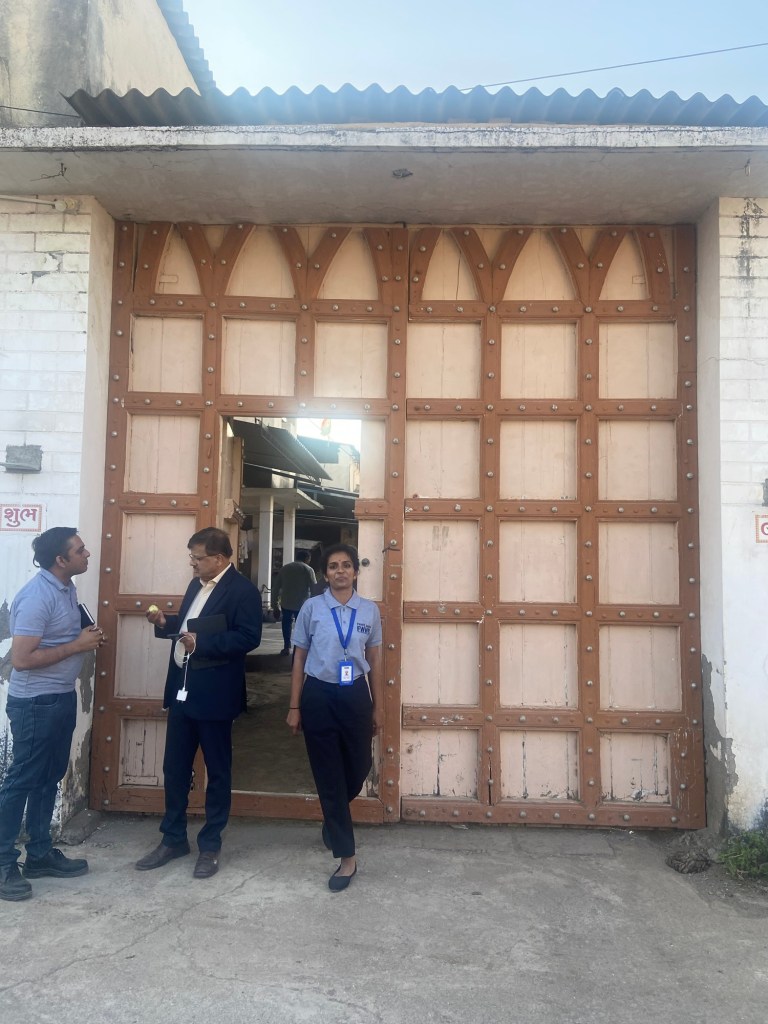
In Jasingpara, Amreli district we visited a Spiral Seed Grader Enterprise of a farmer. This machine separated the seeds from mud and also graded the seeds by quality. The home and enterprise was surrounded by high walls and gates. Apparently the Gir Lions Sanctuary is nearby and the lions roam the area freely at times.
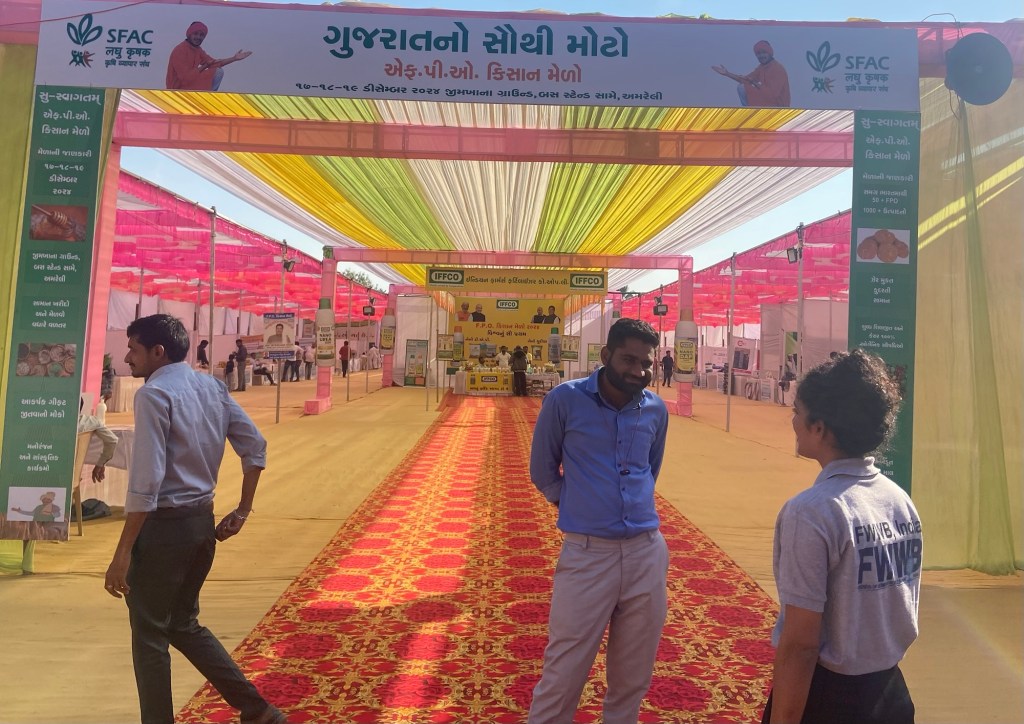
While at the Institute of Rural Management Anand (IRMA) we heard about and met a lot of farmers organised into Farmer Producer Organisers (FPO). However, there is also a lot of criticism of this model. We visited an FPO Mela (Festival) and I was pleasantly surprised to find a large number of FPOs, including women led ones, selling a gamut of products.




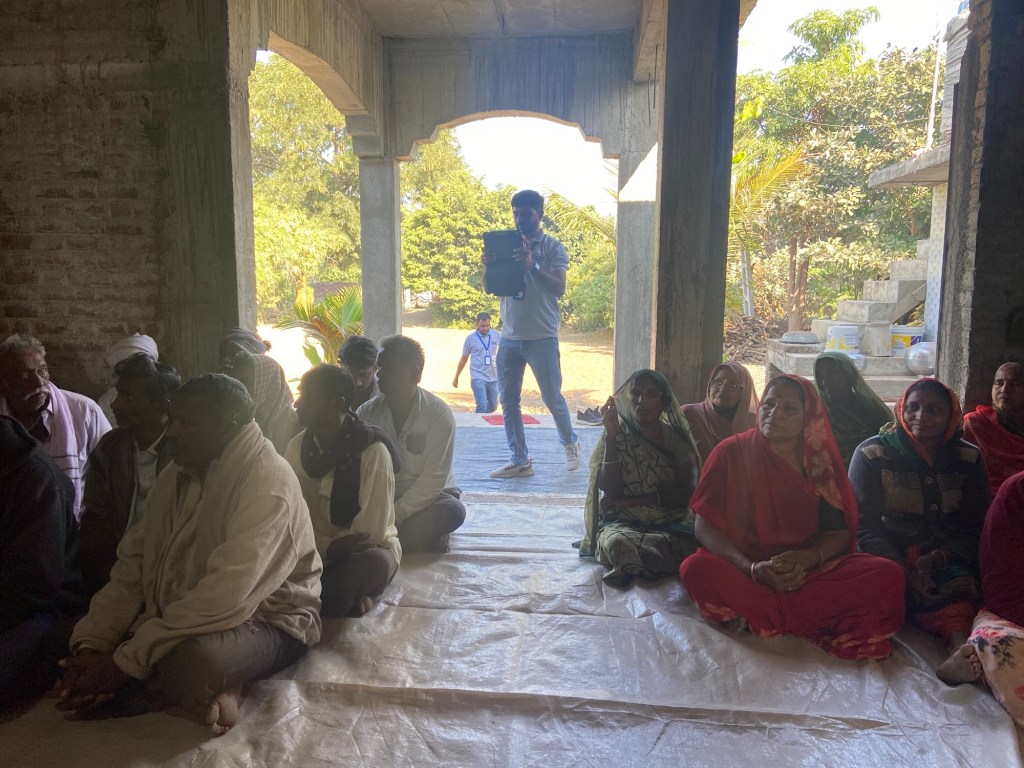
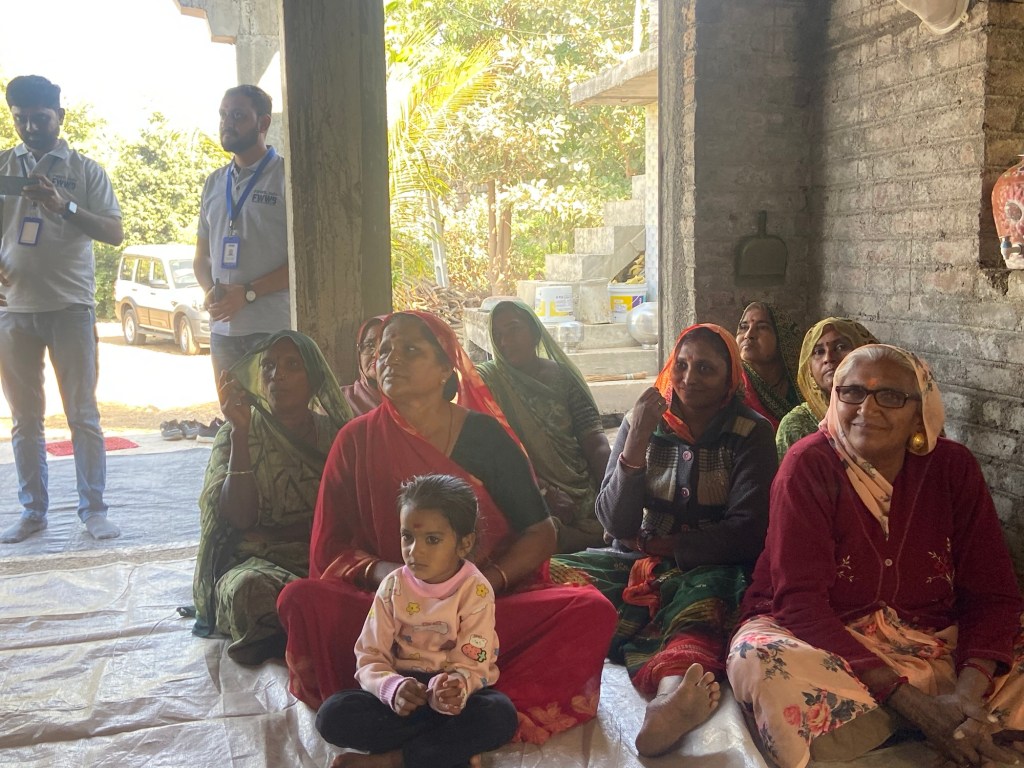
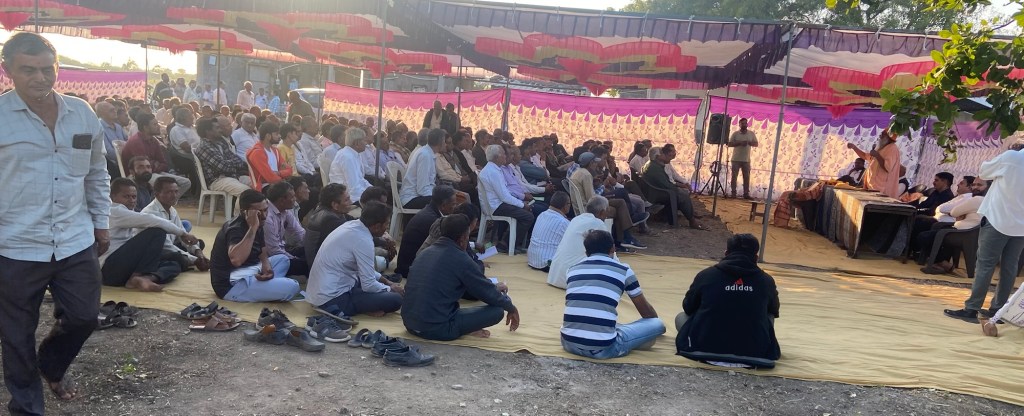
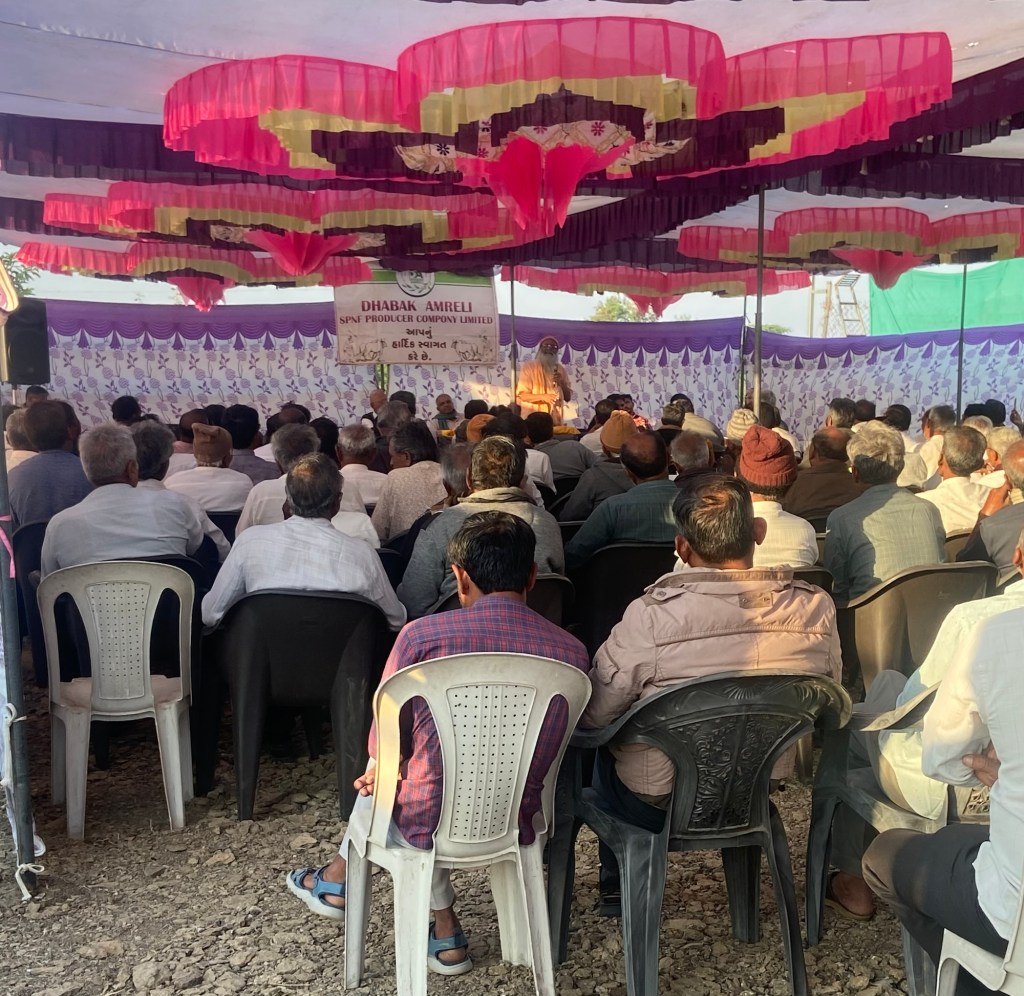
Finally we visited an FPO’s natural input resource centre. The FPO’s annual general body meeting was in progress. We were pleased to see a large number of farmers including women farmers attending the meeting.


At this FPO centre I was thrilled to find the formula for preparing the Brahmastra!! Overall an enjoyable and very informative field visit. It was invigorating to meet and observe the enthusiasm among the farmers for natural farming!


 Unni-Verse