
The Friends of Women World Banking, India (FWWB), Ahmedabad, provides micro-finance to women entrepreneurs and is engaged in capacity building of these women. As part of FWWB team we went on a field trip to visit beneficiaries of the various programs in Ri-Bhoi district of Meghalaya in March 2026.
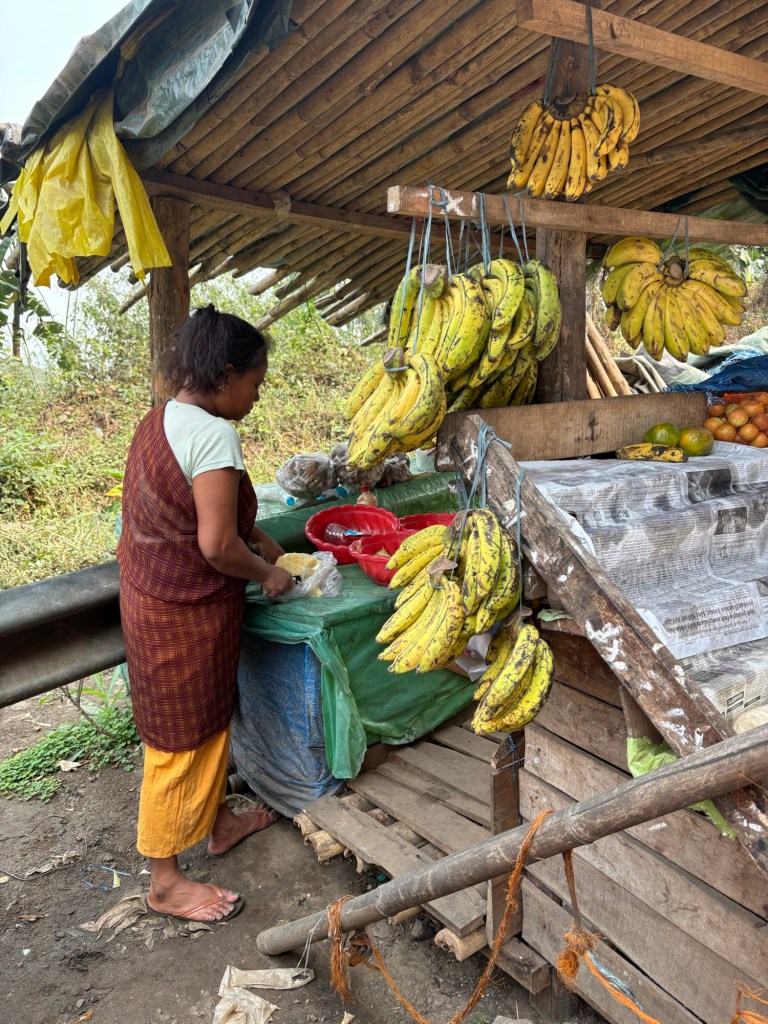
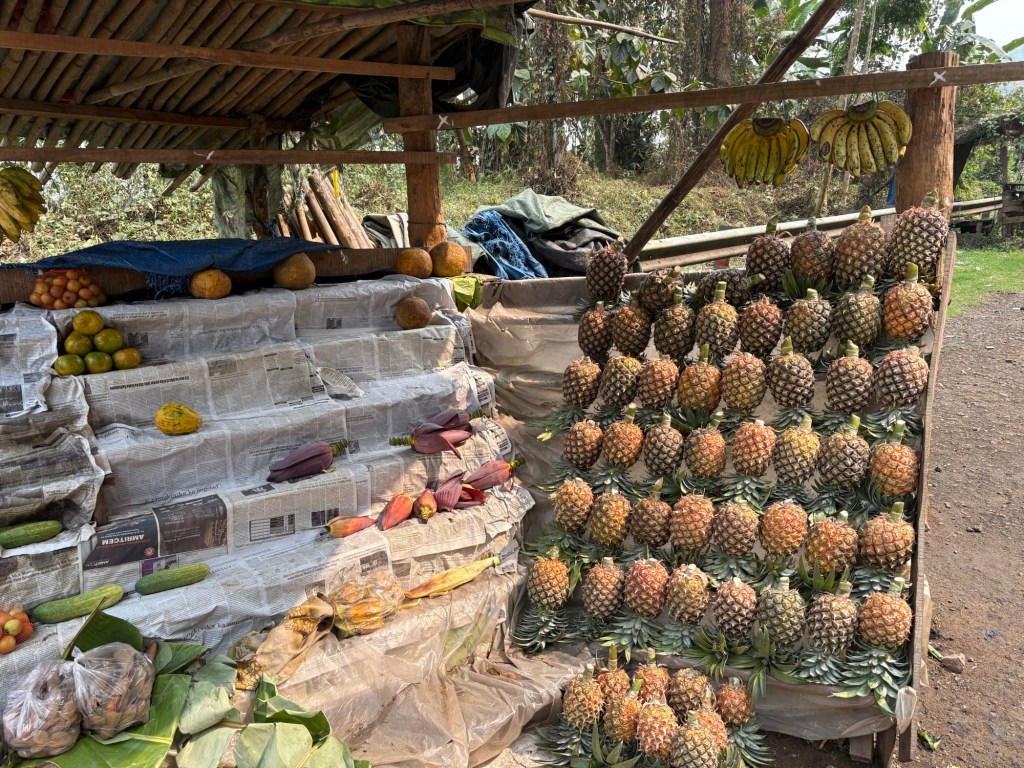
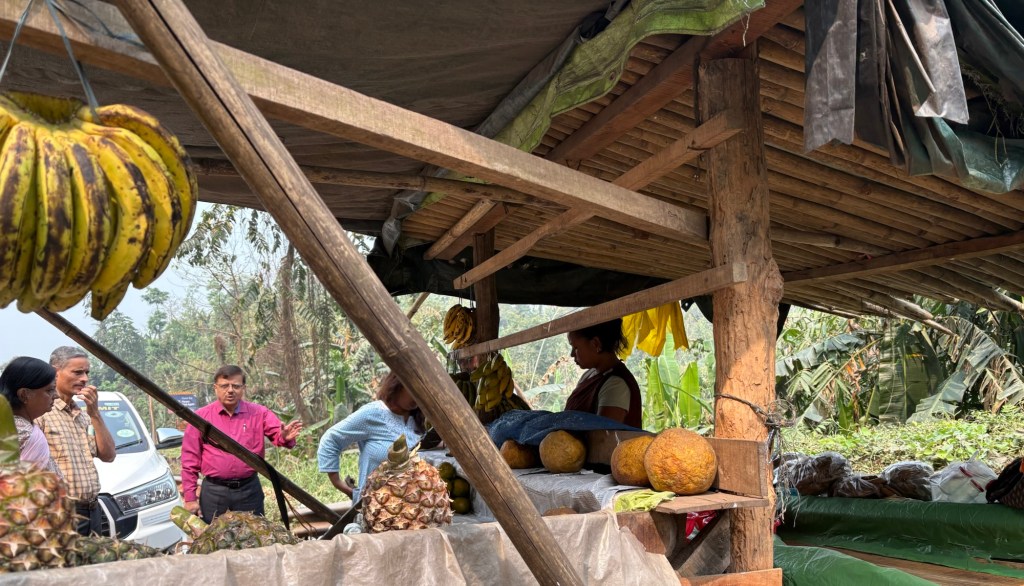
We started from Guwahati at 8.30 am. Meghalaya is famous for its pineapples. Though it was the end of the season the highway was lined with pineapple vendor stalls near Nongpoh town. One of our Board members was keen that we experience the local produce. We stopped at a roadside pineapple stall where the vendor quickly sliced a fresh pineapple for us. It was indeed yummy, with no added sugar!
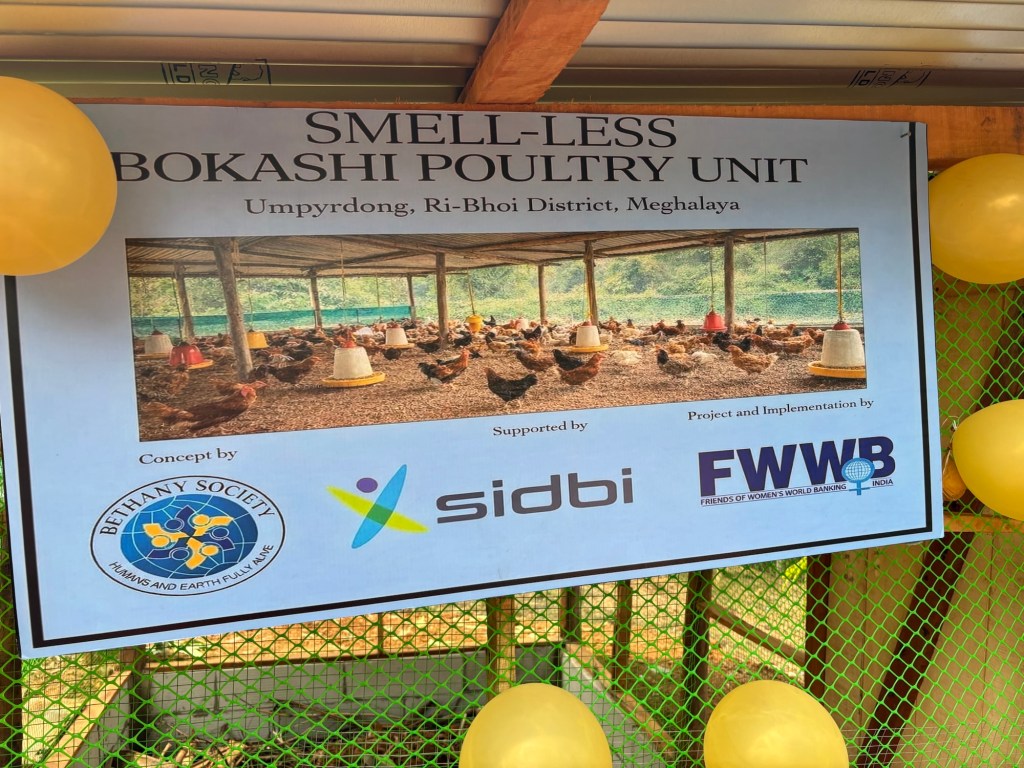
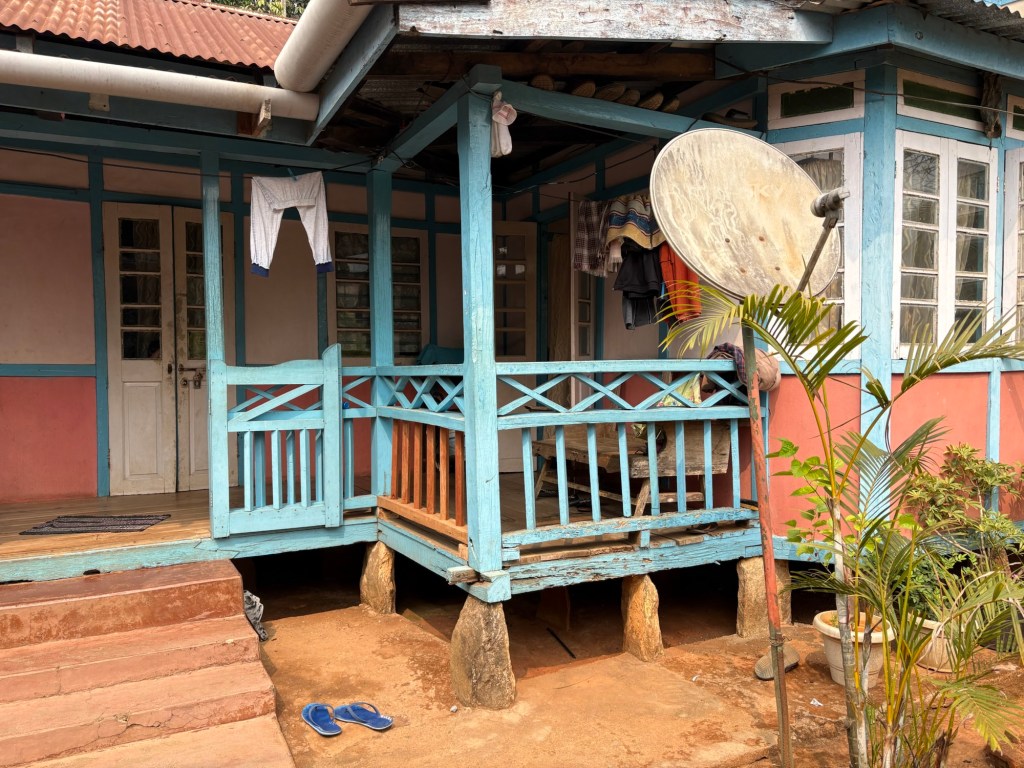
We reached Nongpoh town at 10.30 am where we were joined by our field team. We travelled to Village Umpyrdong, Ri-Bhoi district, to visit the Bokshi Smell less poultry unit set up by women entrepreneurs affiliated to FWWB with support from SIDBI. Umpyrdong was a little village on the foothills. The houses were homesteads built on the slopes and had a green cover. Areca nut is a popular crop and all homesteads had a number of Areca nut trees. It was eaten raw by the local people which is extremely harmful. Most men and women had red and decaying teeth as a result.
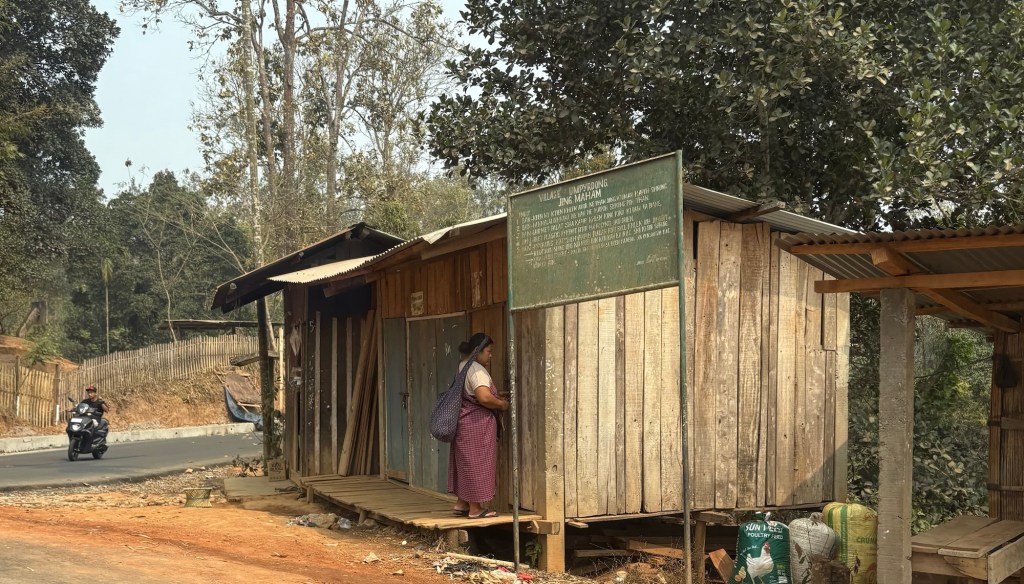
Village Umpyrdong
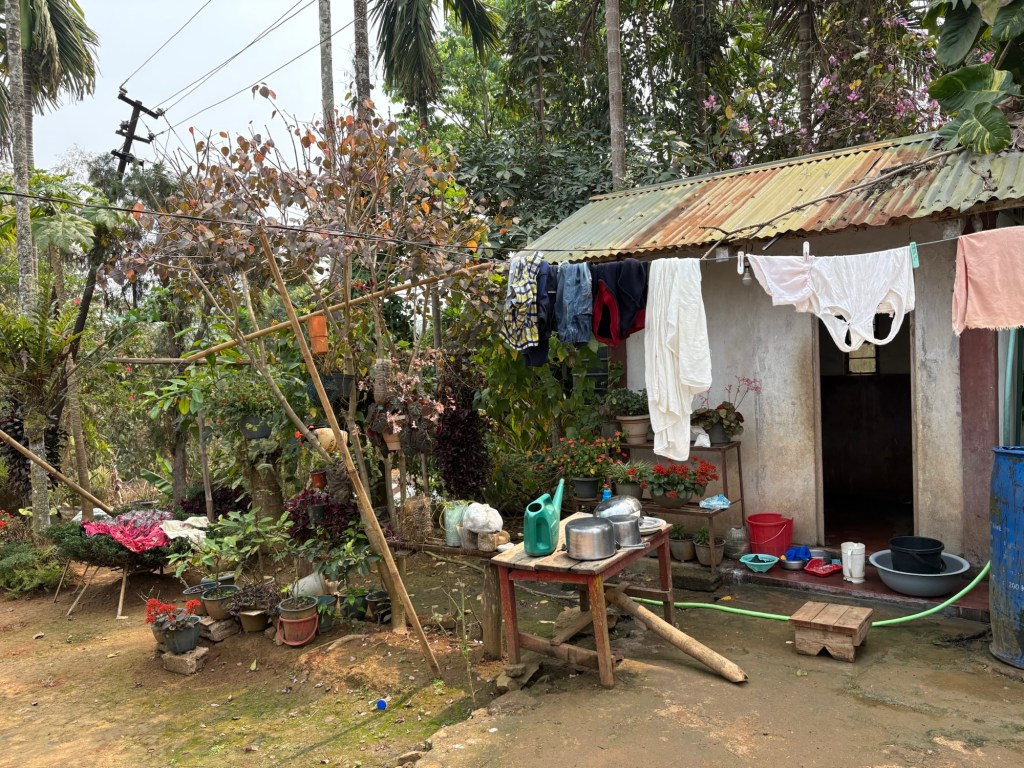
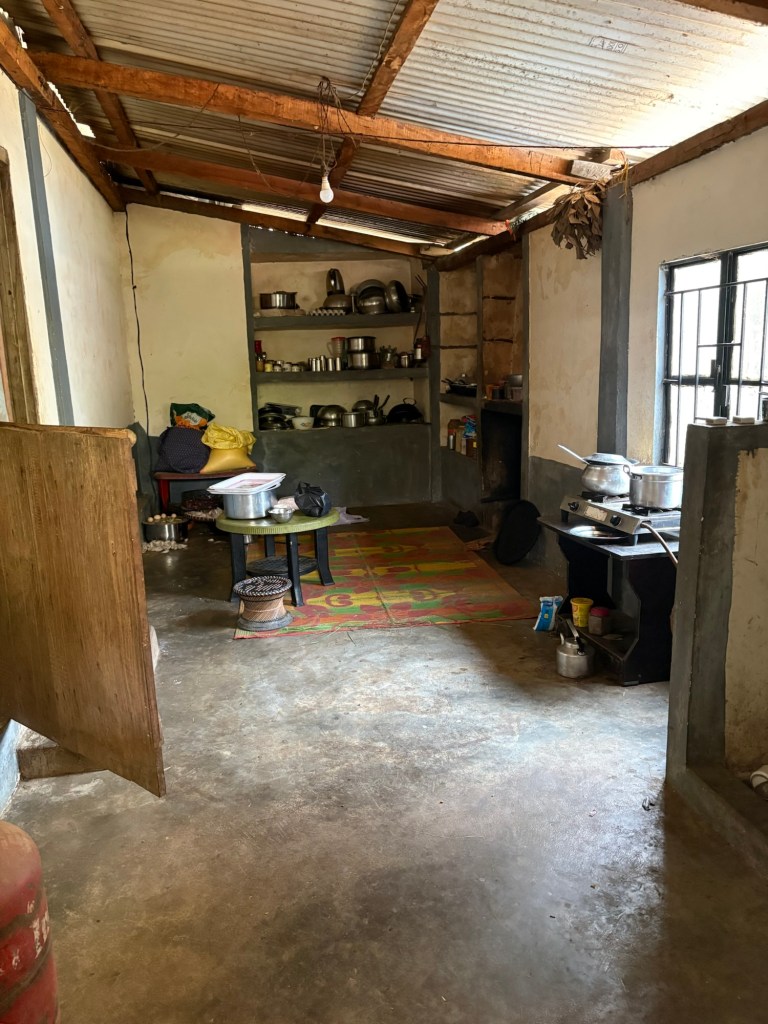
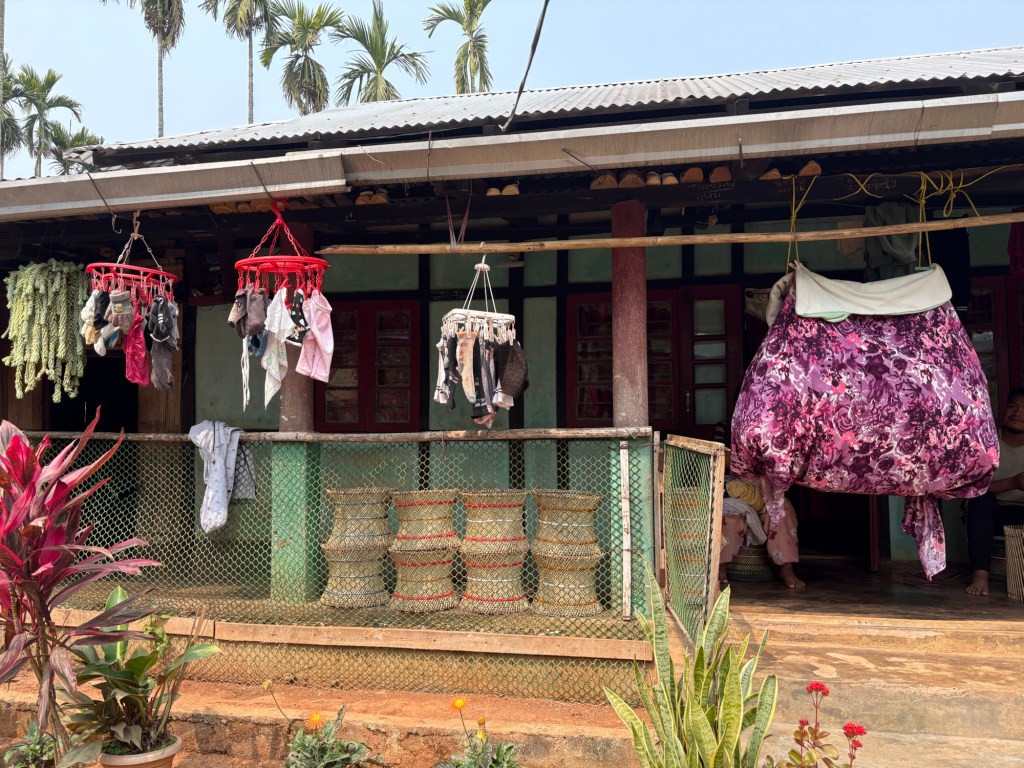
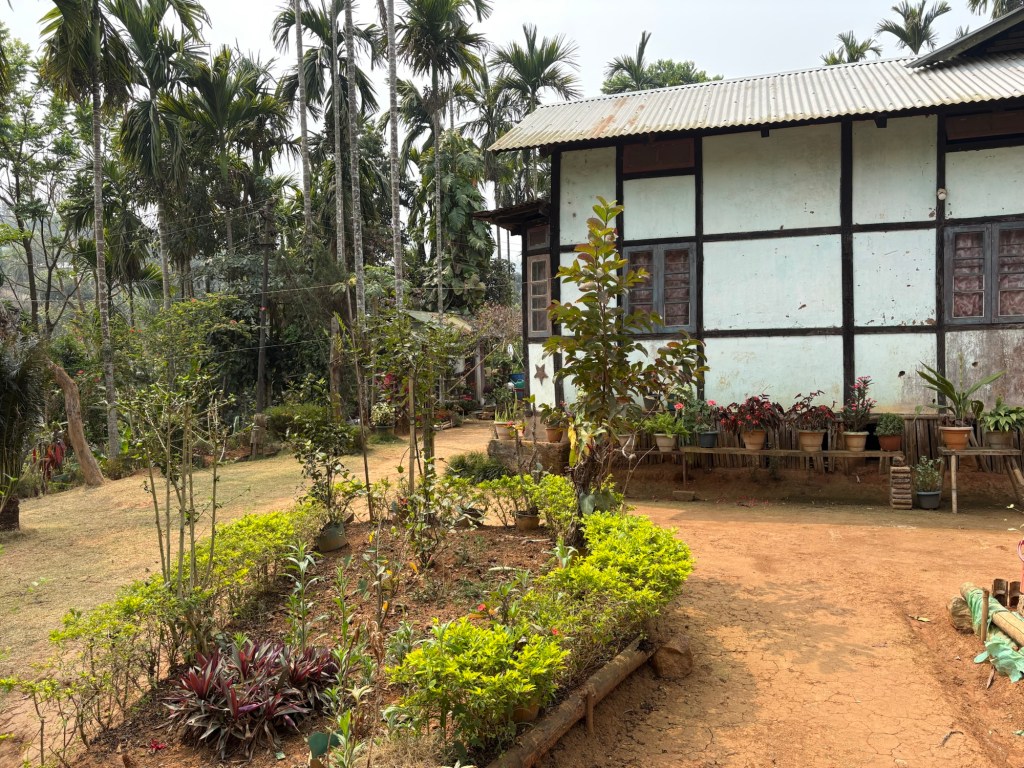
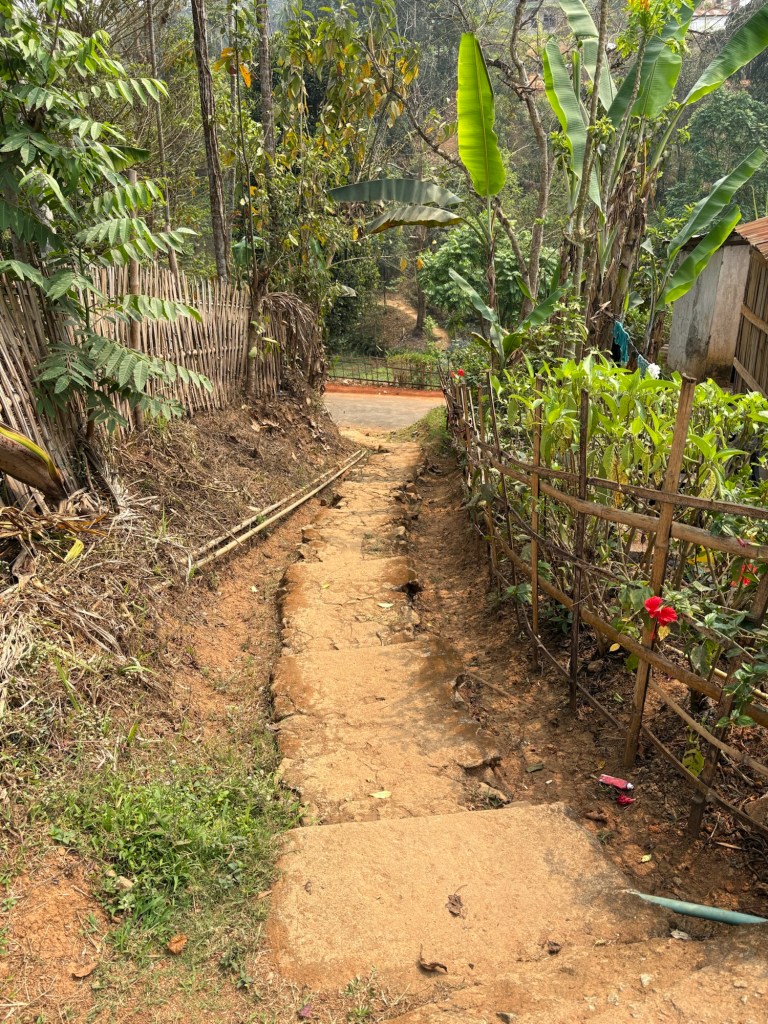
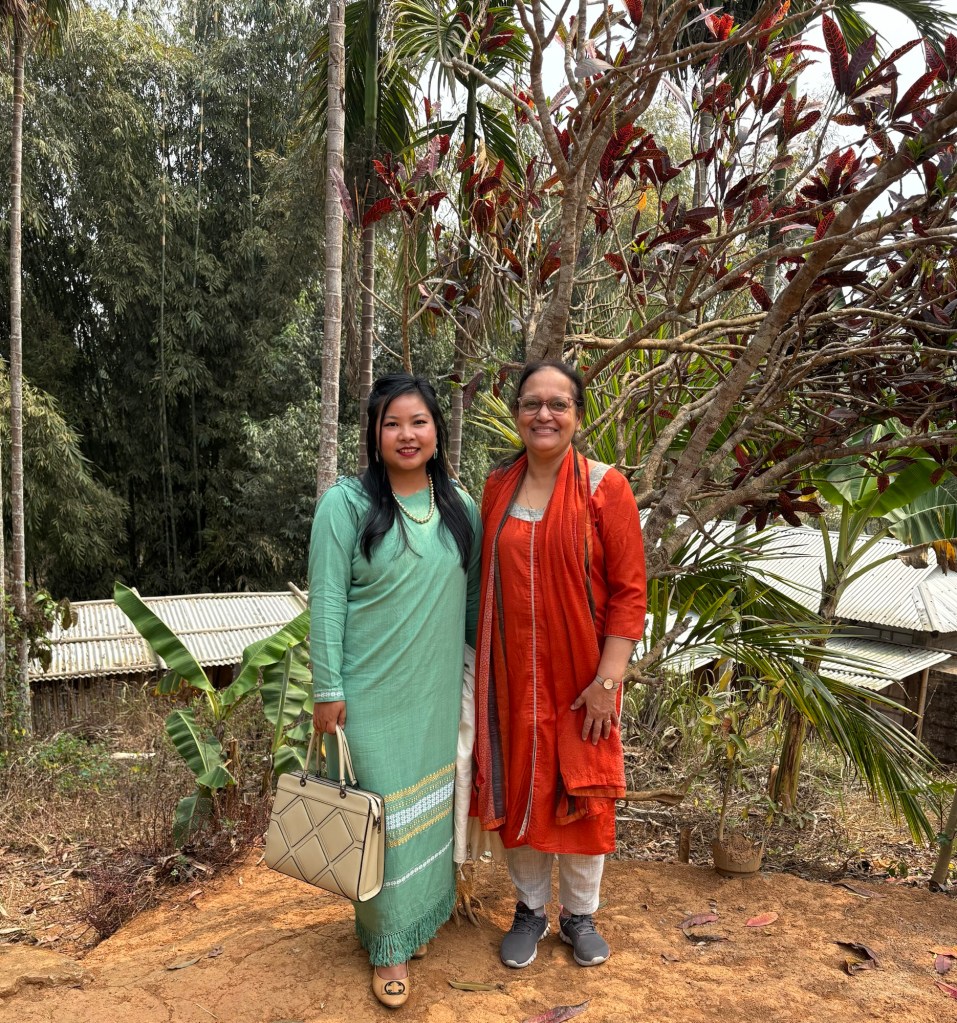
Village Umpyrdong, R-Bhoi district
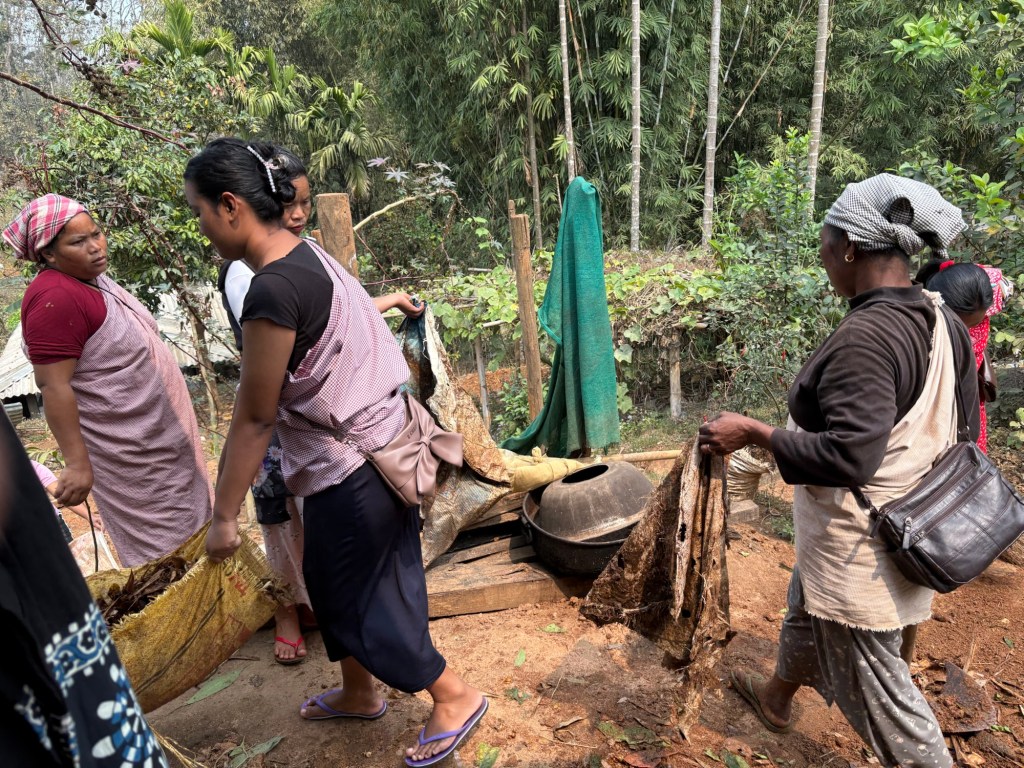
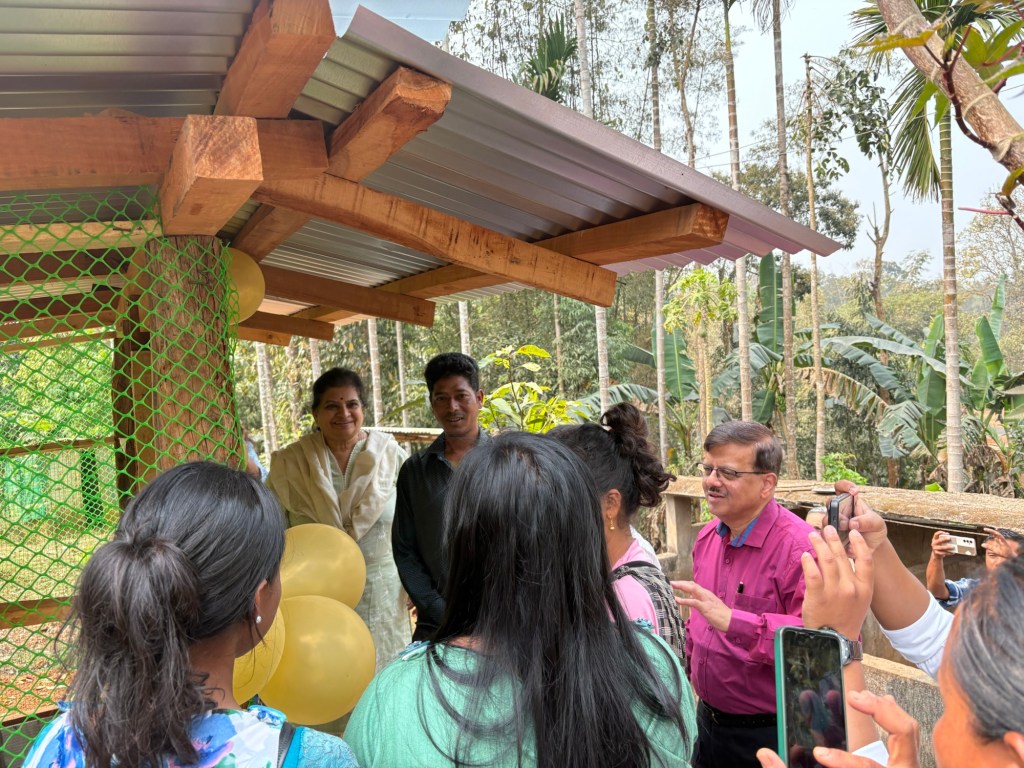
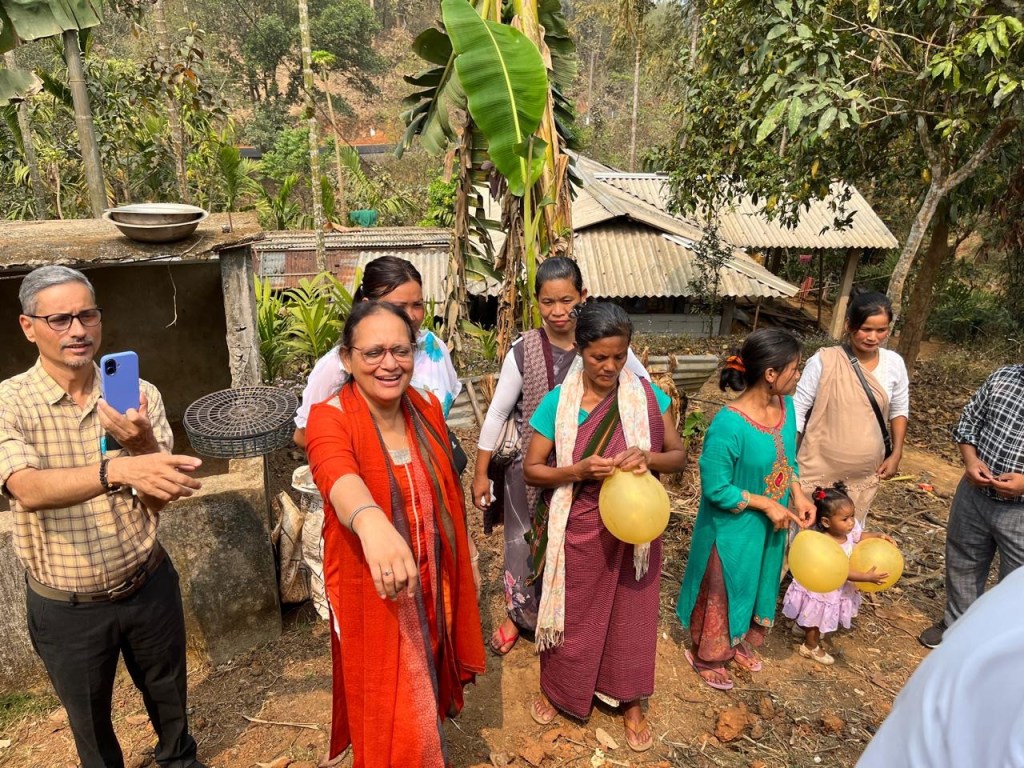
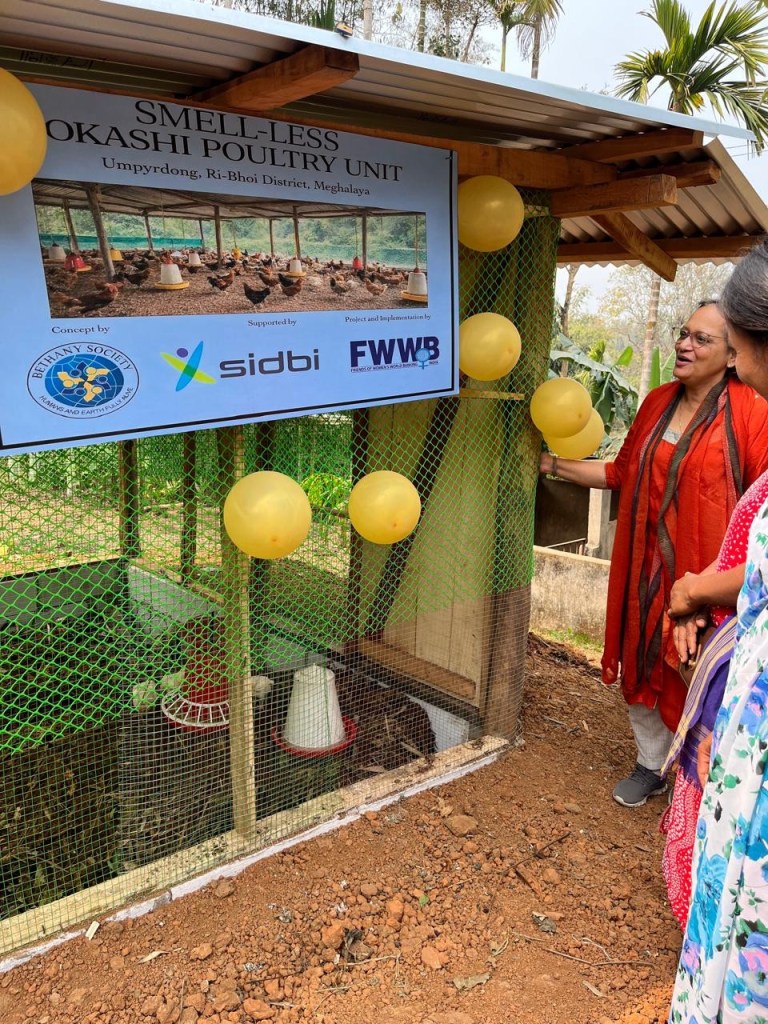
Traditionally, poultry units were not widely favoured in the villages because neighbours often complained about the unpleasant smell that emanated from poultry waste. Bokashi poultry units did not emit the foul smell as it converted poultry waste into fermented organic manure, instead of allowing it to rot and release harmful gases like ammonia and methane. This reduced air pollution, lowered greenhouse gas emission, and prevented nutrient run-off that could contaminate the soil and water bodies around. When we arrived at the site, several women were already at work. They were busy carrying sacks of the prepared fermented manure and spreading it to line the floor of the large poultry coop. The activity was lively and coordinated, reflecting both the collective nature of the enterprise and the familiarity the women had developed with the improved poultry management practices.
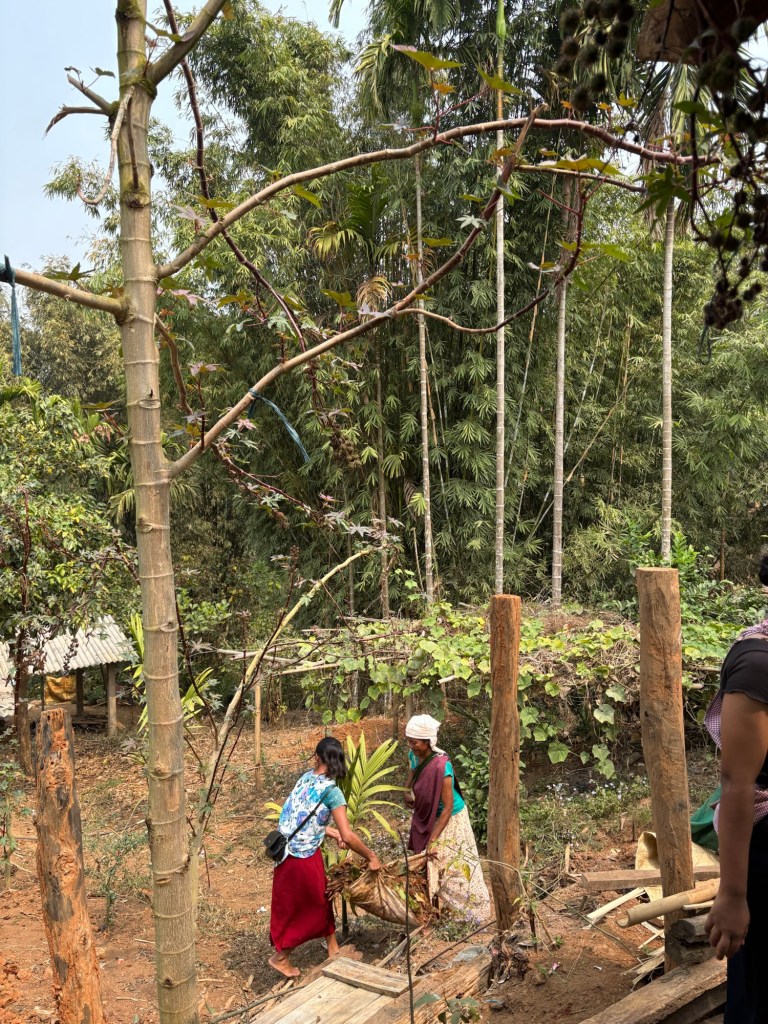
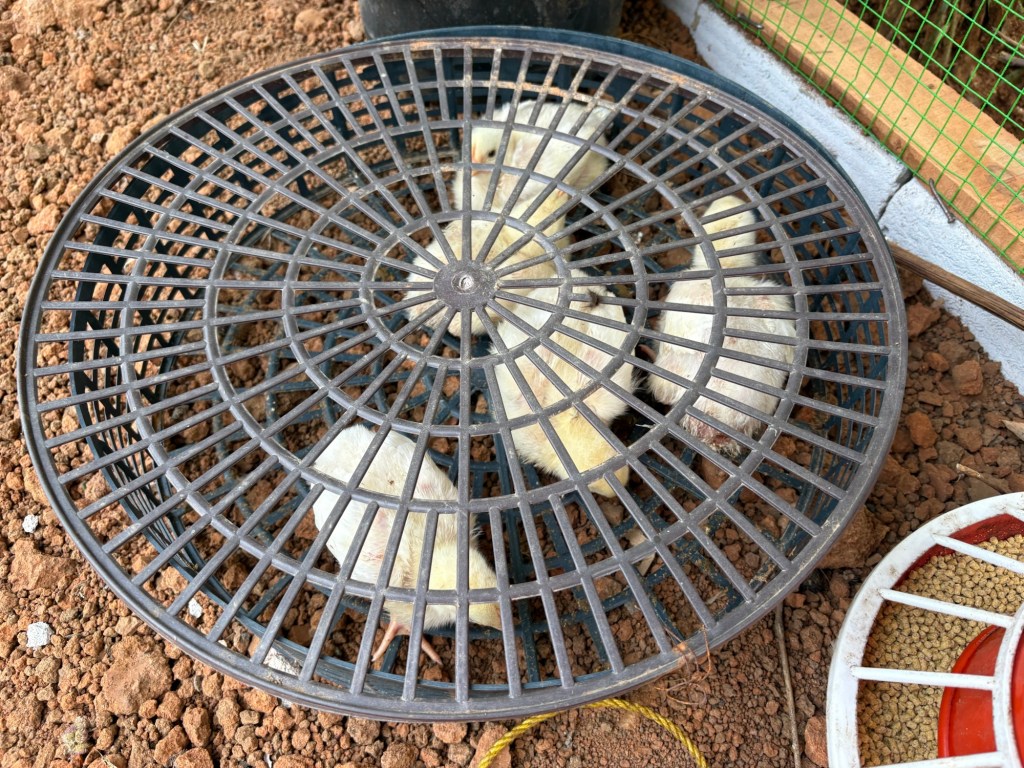
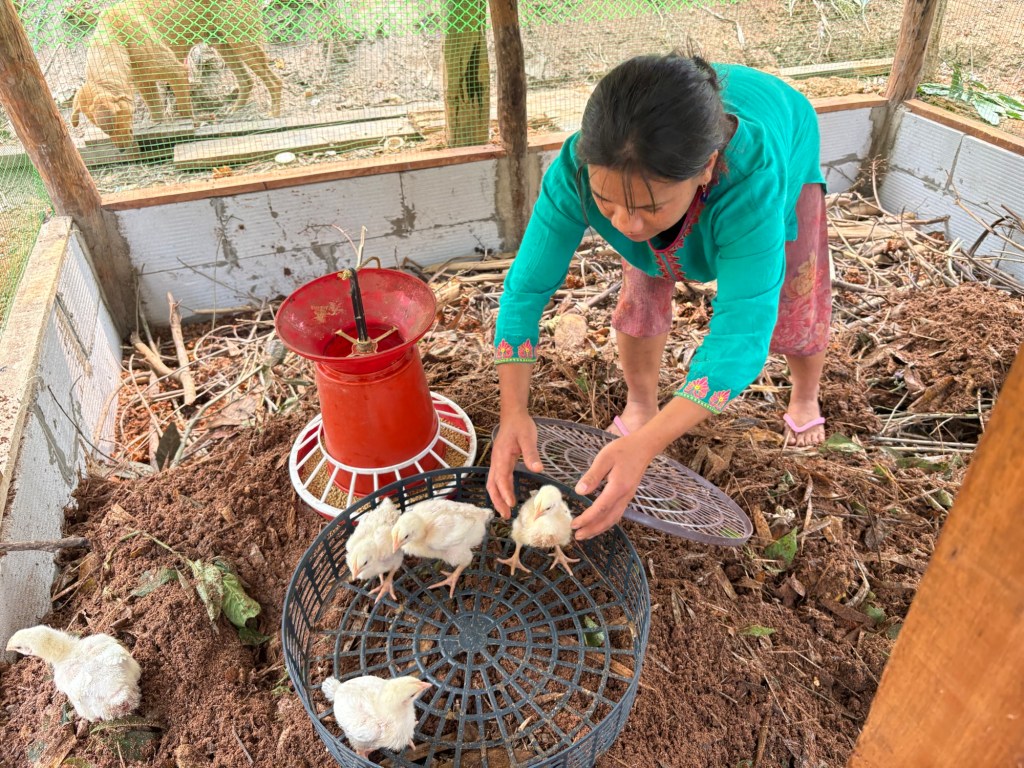
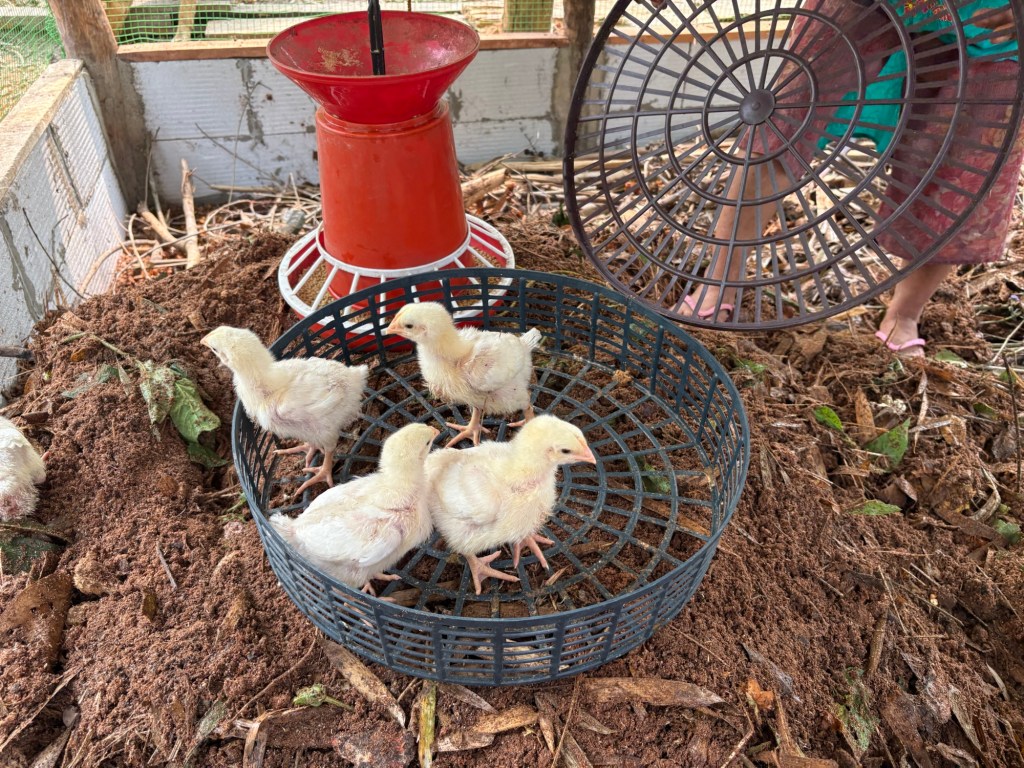
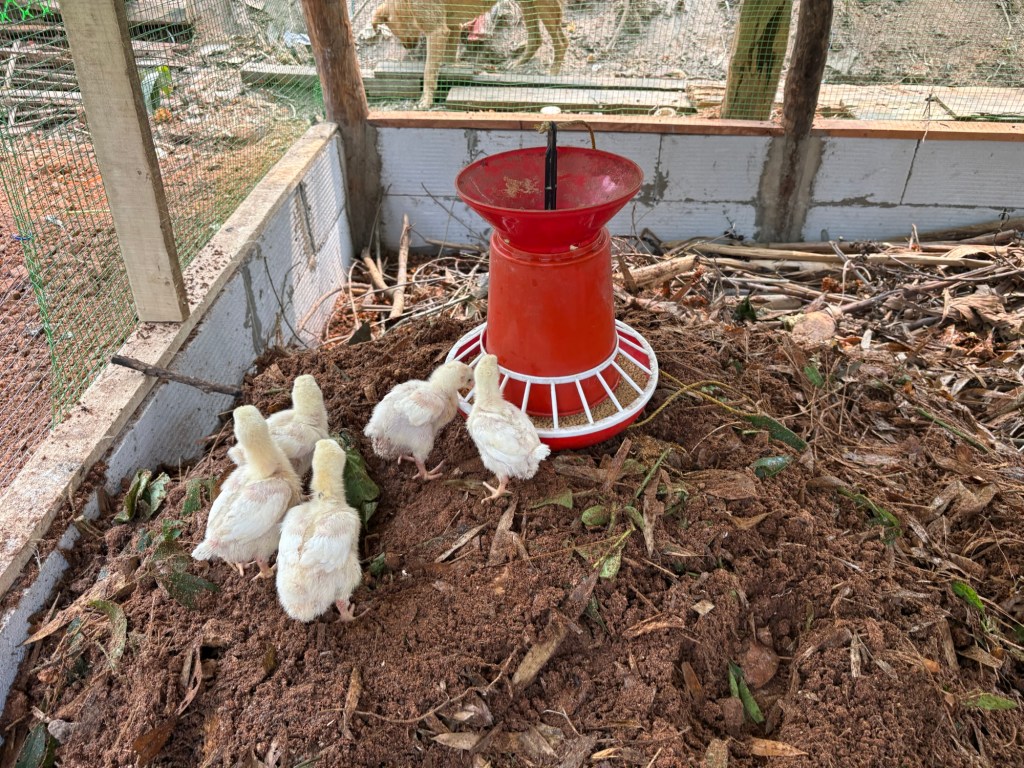
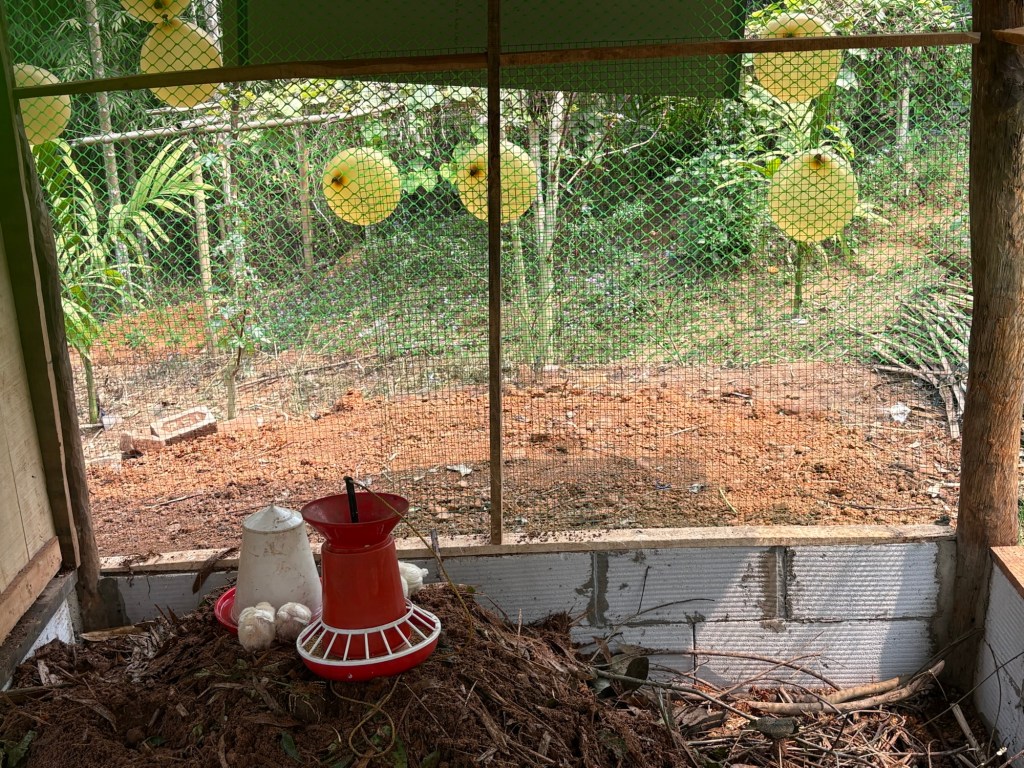
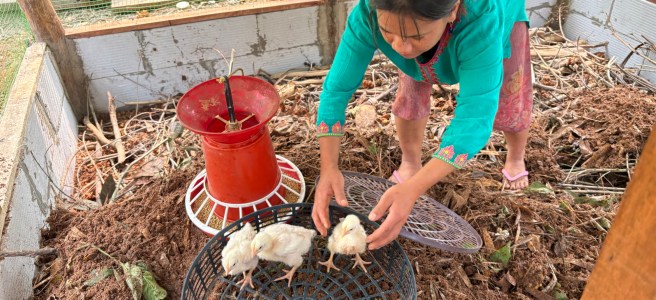
Women gently released the little chicks into the poultry coop. The floor of the coop had been carefully prepared using the Bokashi method. A base layer of wood pieces was spread across the floor, over which a mixture of mud, manure, and Bokashi additives was laid. The coop was equipped with well-designed feeding and watering systems. A red grain container was structured in such a way that the feed could be dispensed without spilling, reducing wastage. Beside there was a white water trough designed to prevent water from spilling onto the bedding, ensuring that the litter remained dry and hygienic.
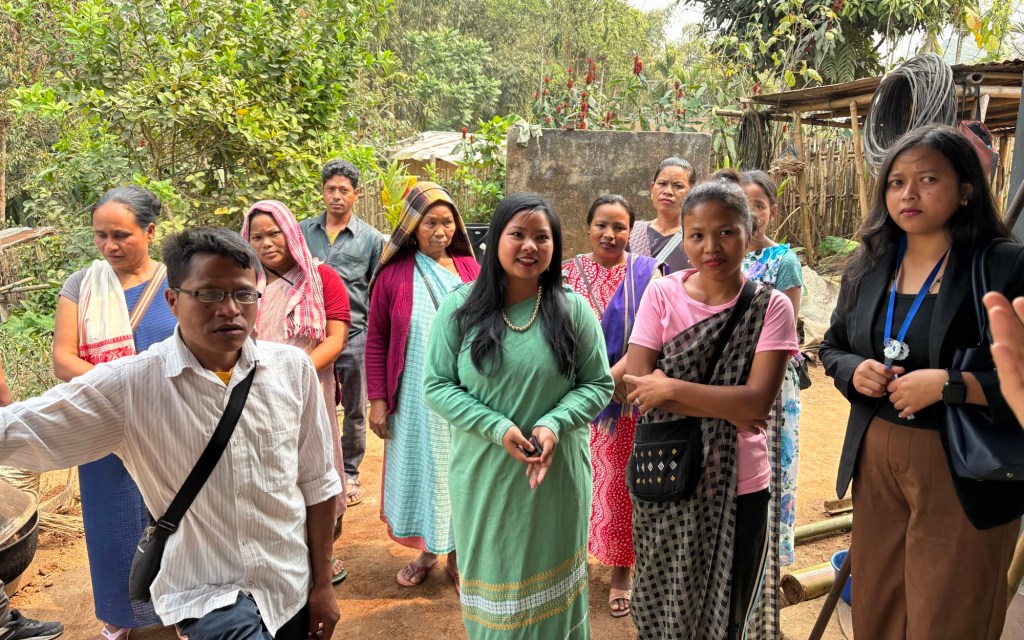
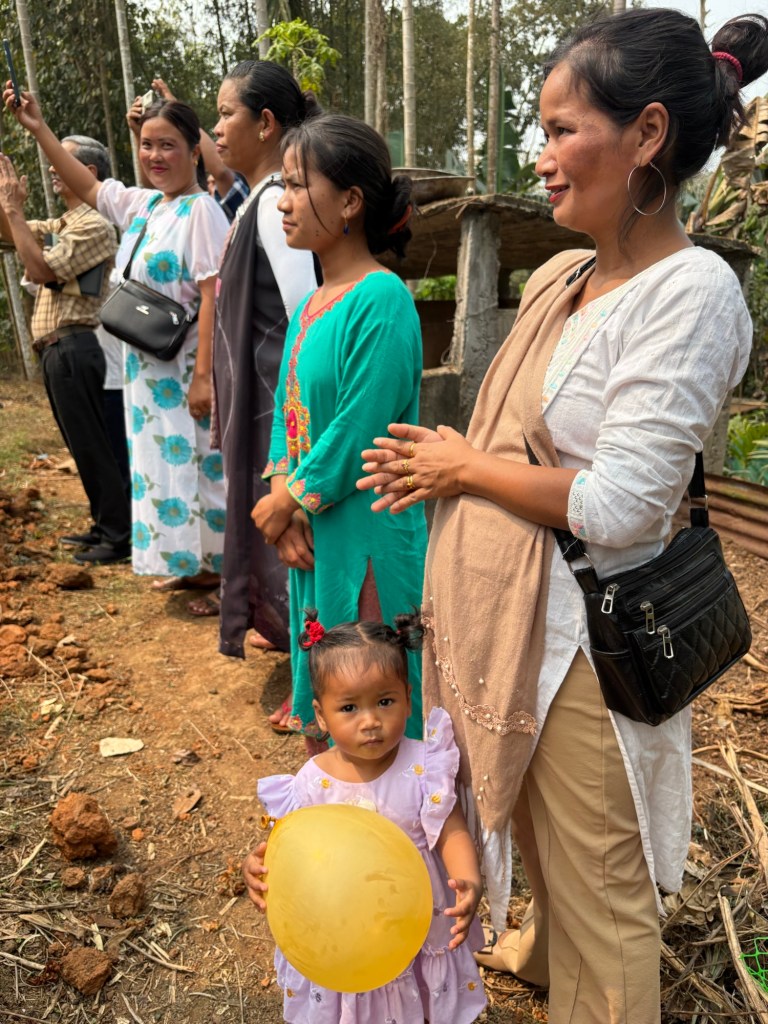
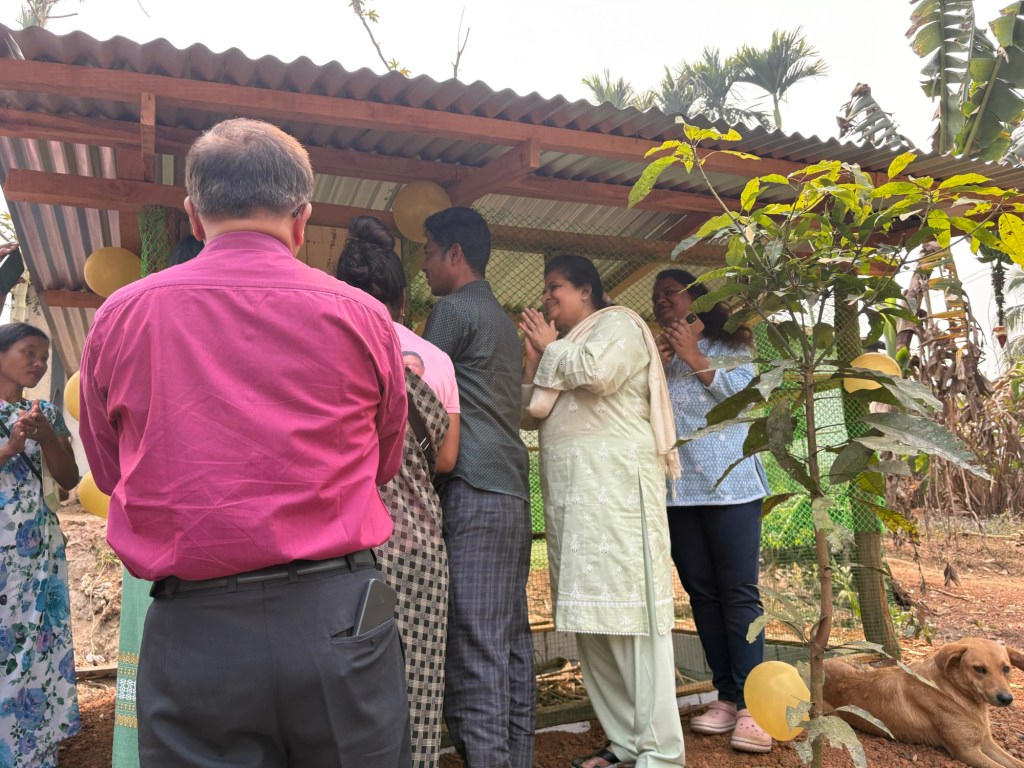
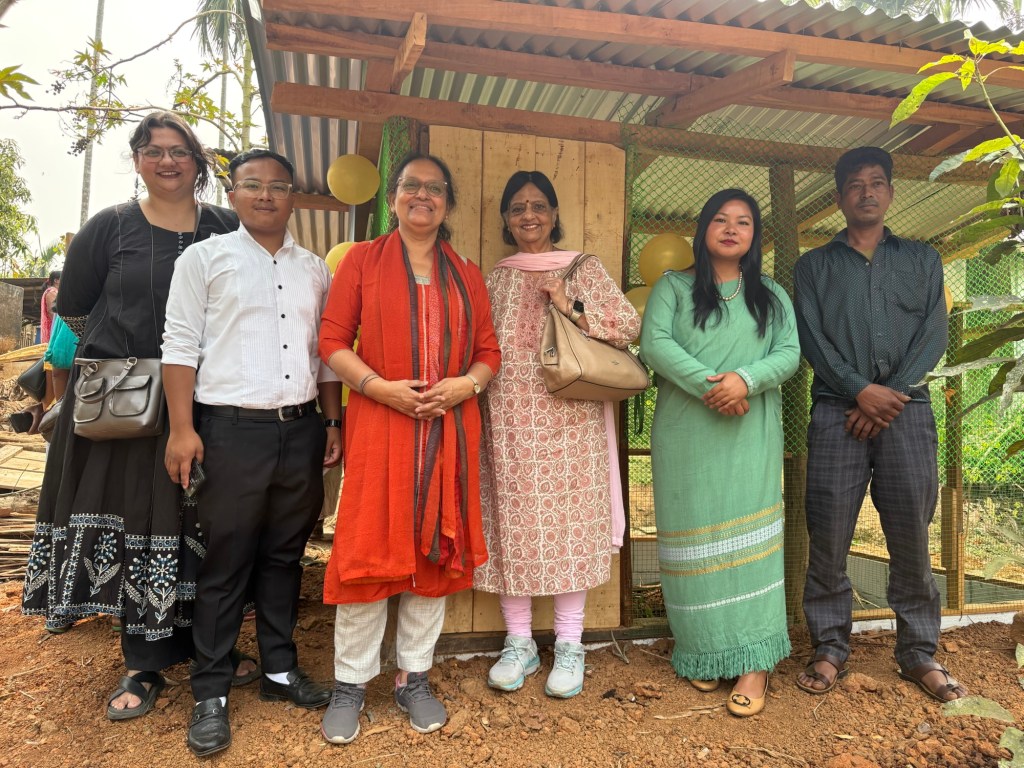
The Board members, Panchayat head and the 10 women farmer/entrepreneurs inaugurated the Bokashi Smell-less poultry unit.
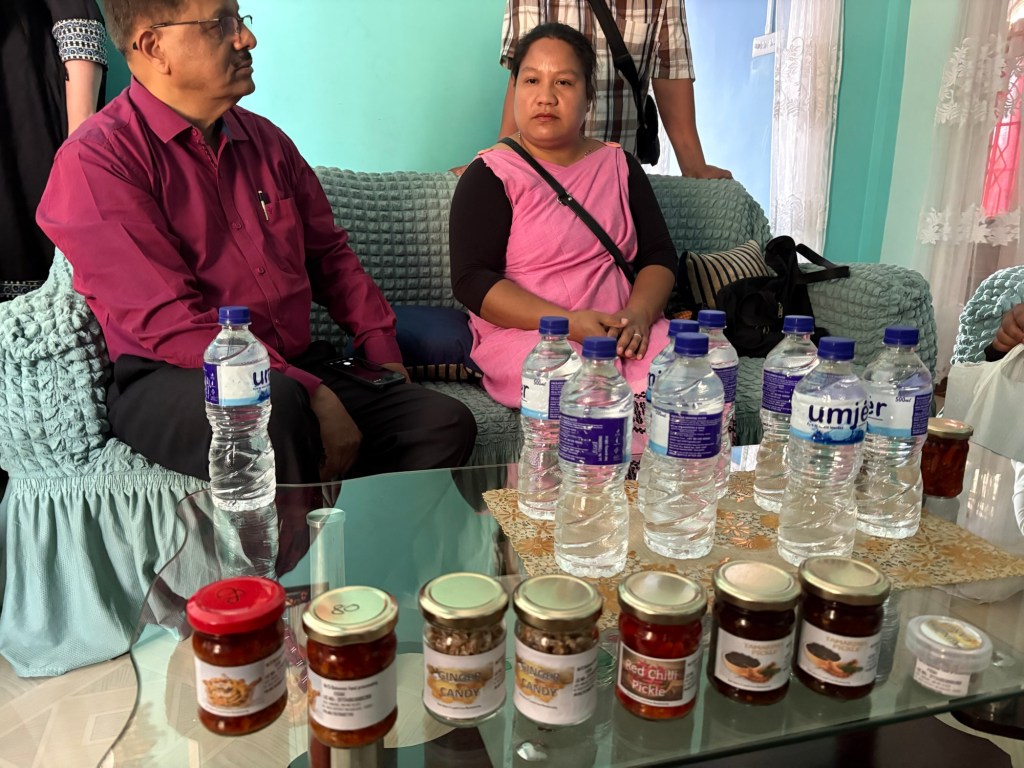
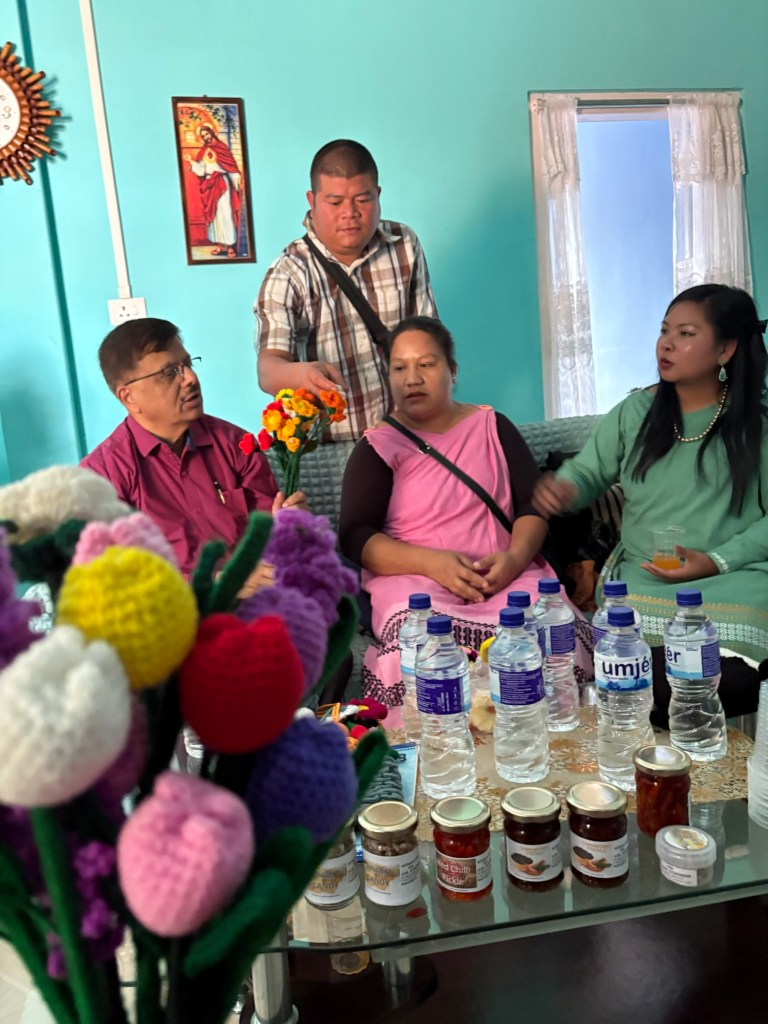
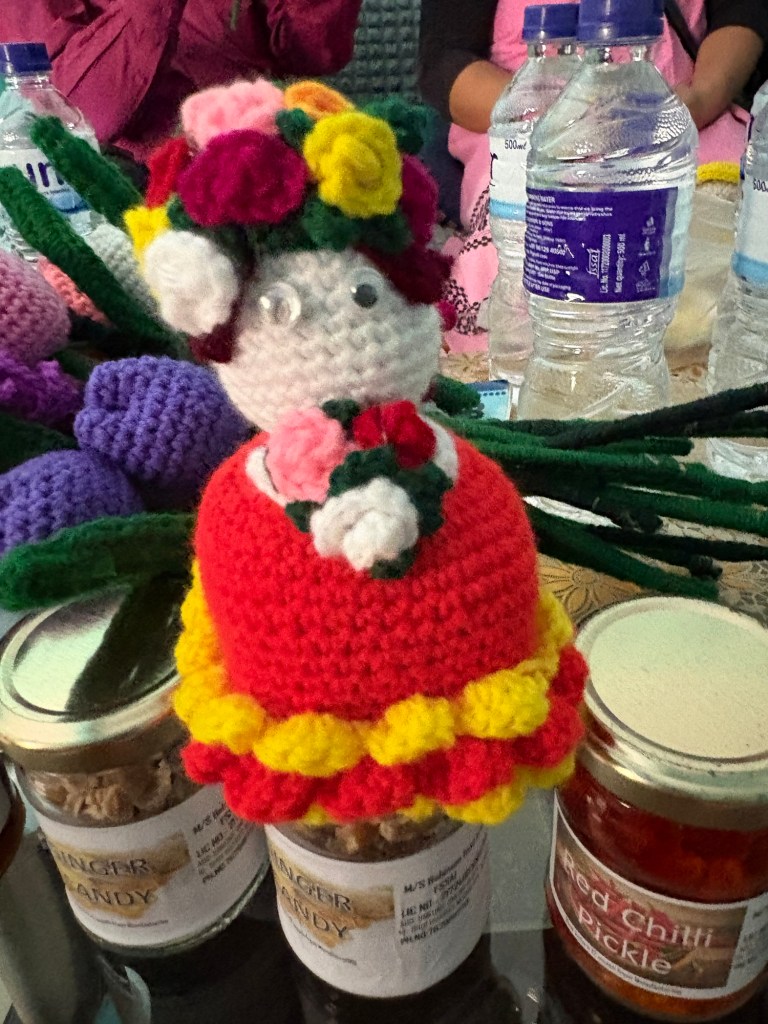
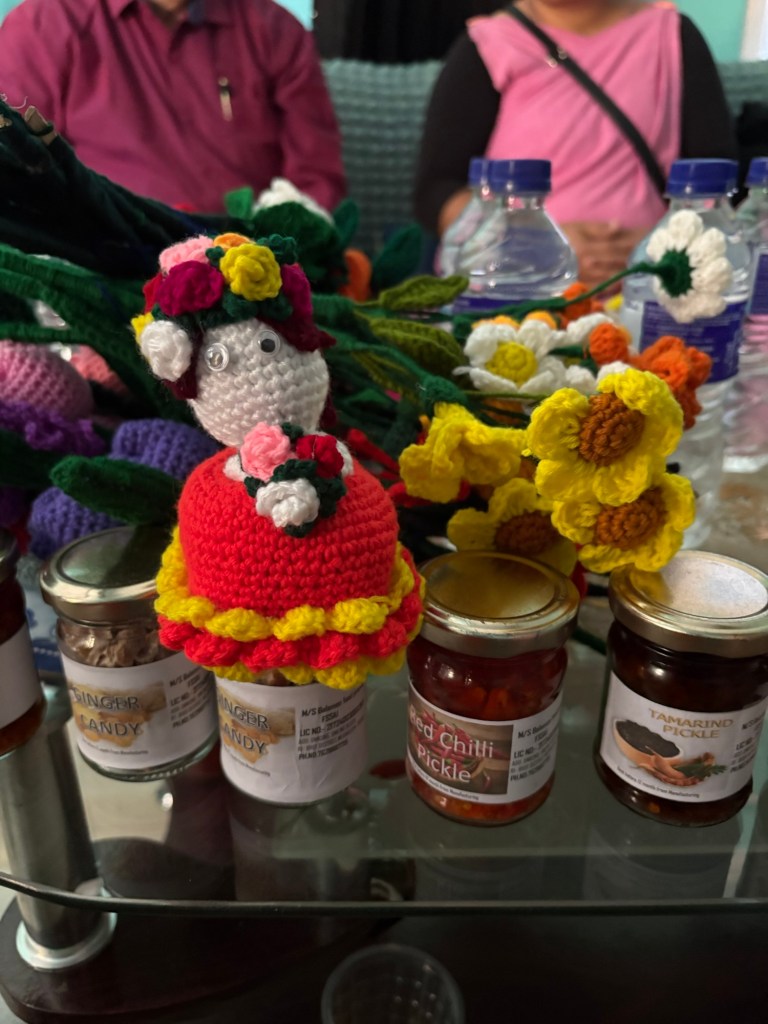
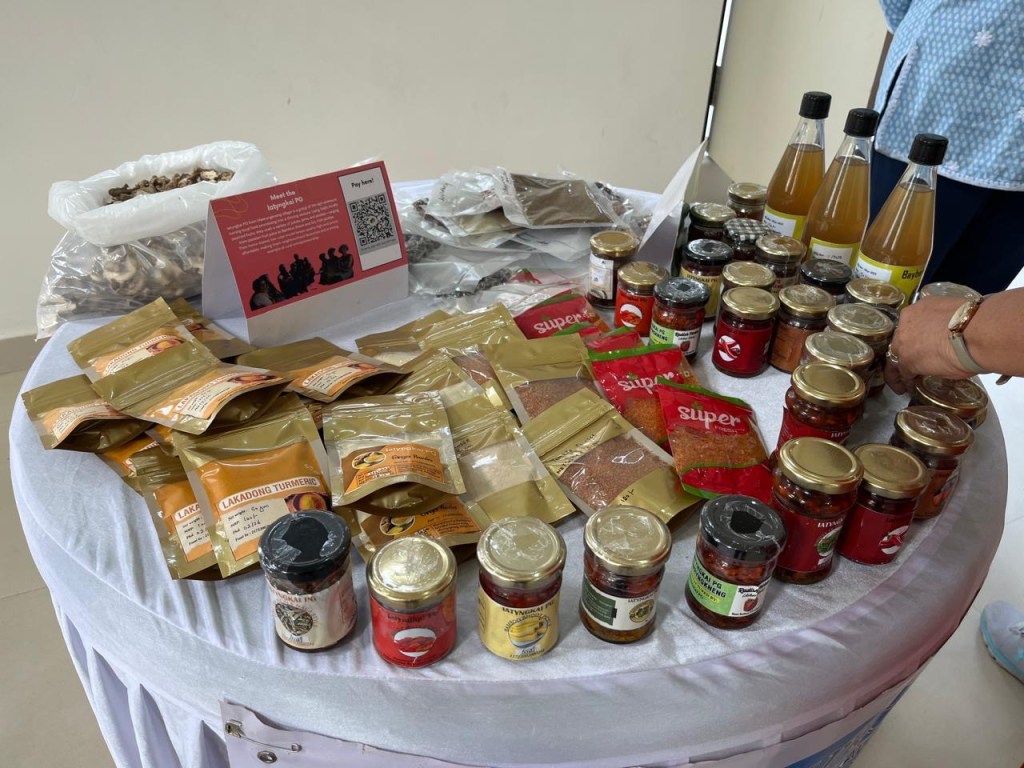
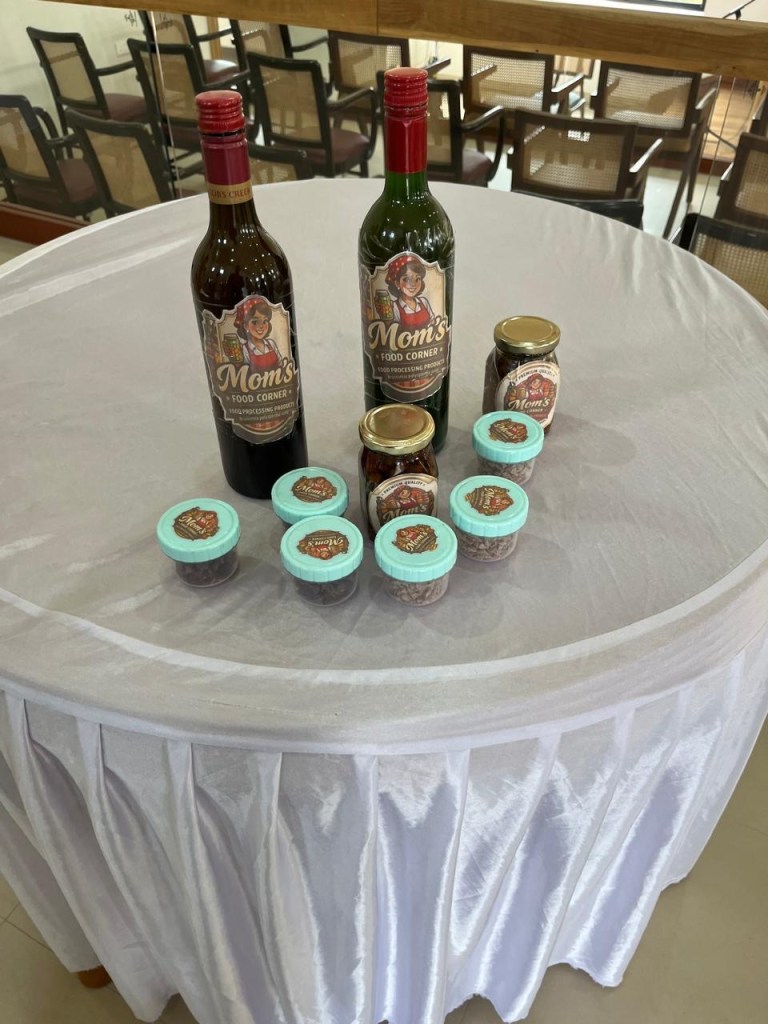
We moved on to meet a woman entrepreneur in Umkon Village. She and her family made red chilies and tamarind pickles, ginger candy and other processed food. Her enterprise had a brand name (which I cannot remember) with Food Safety and Standards Authority of India (FSSAI) certification.
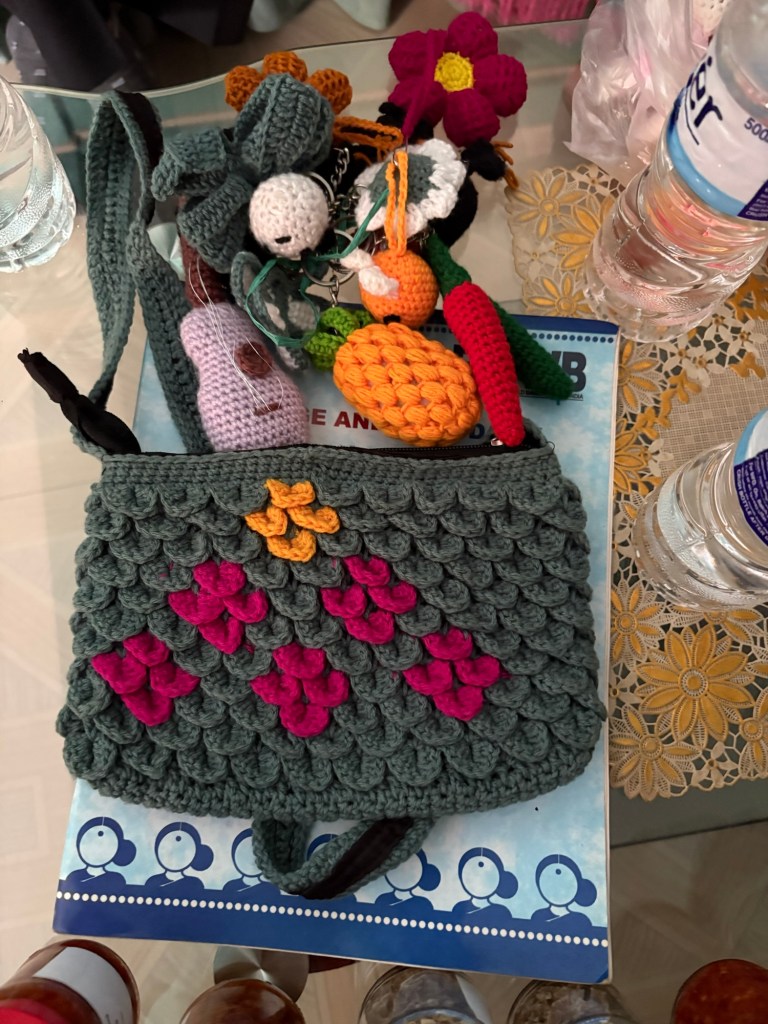
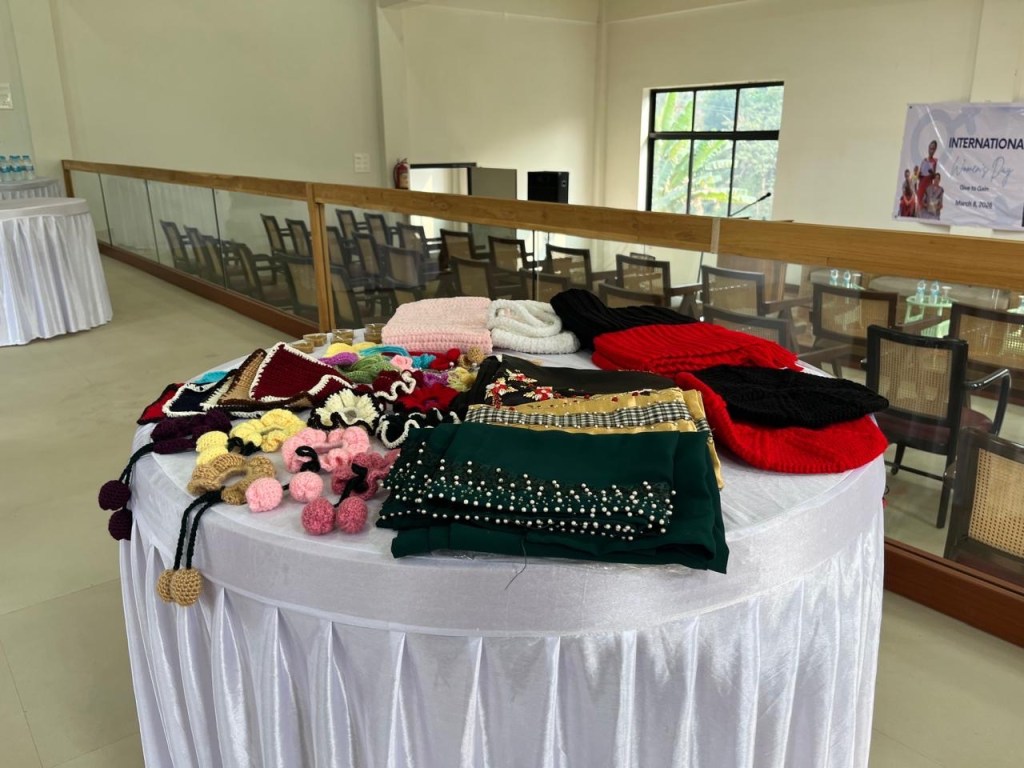
In addition to food processing, she and her mother had received training in crochet and had developed considerable expertise in the craft. They proudly displayed a variety of handmade items including bags, purses, decorative flowers, dolls, and keychains. These products were sold locally and at exhibitions, and they also received orders for customised items.
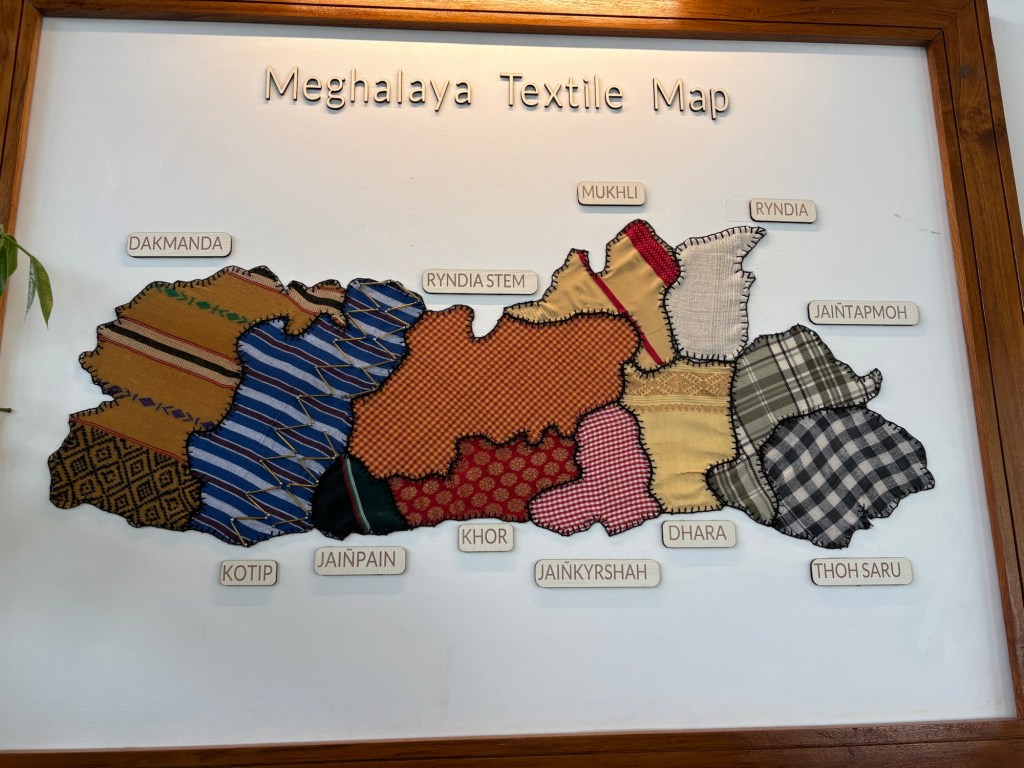
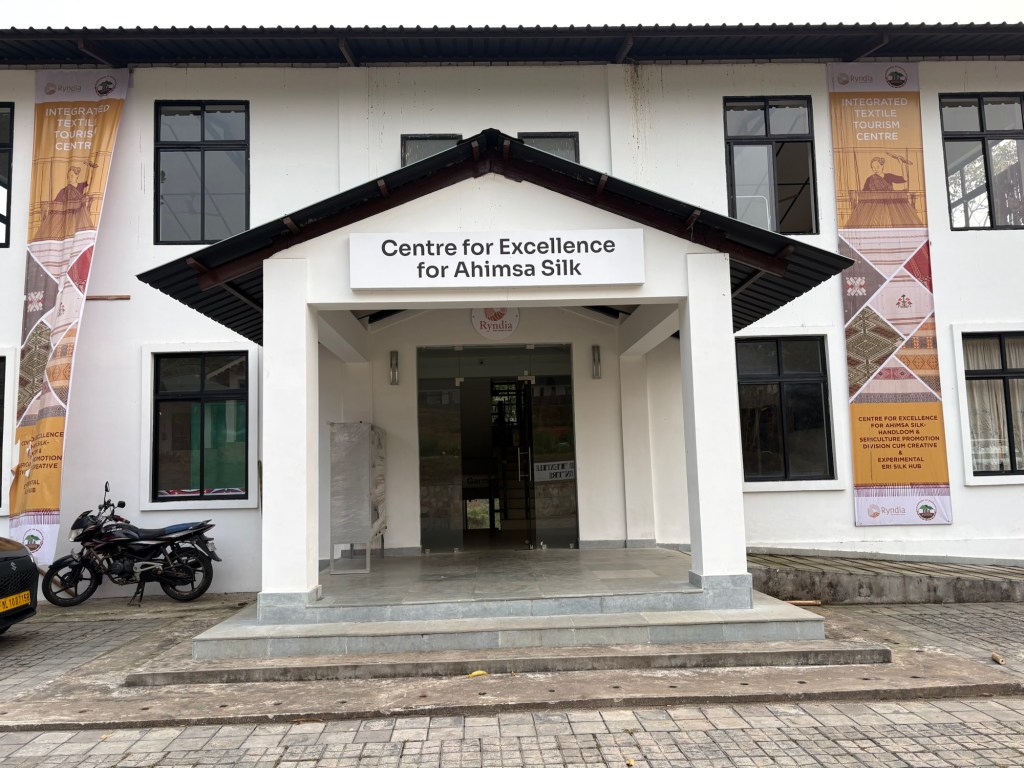
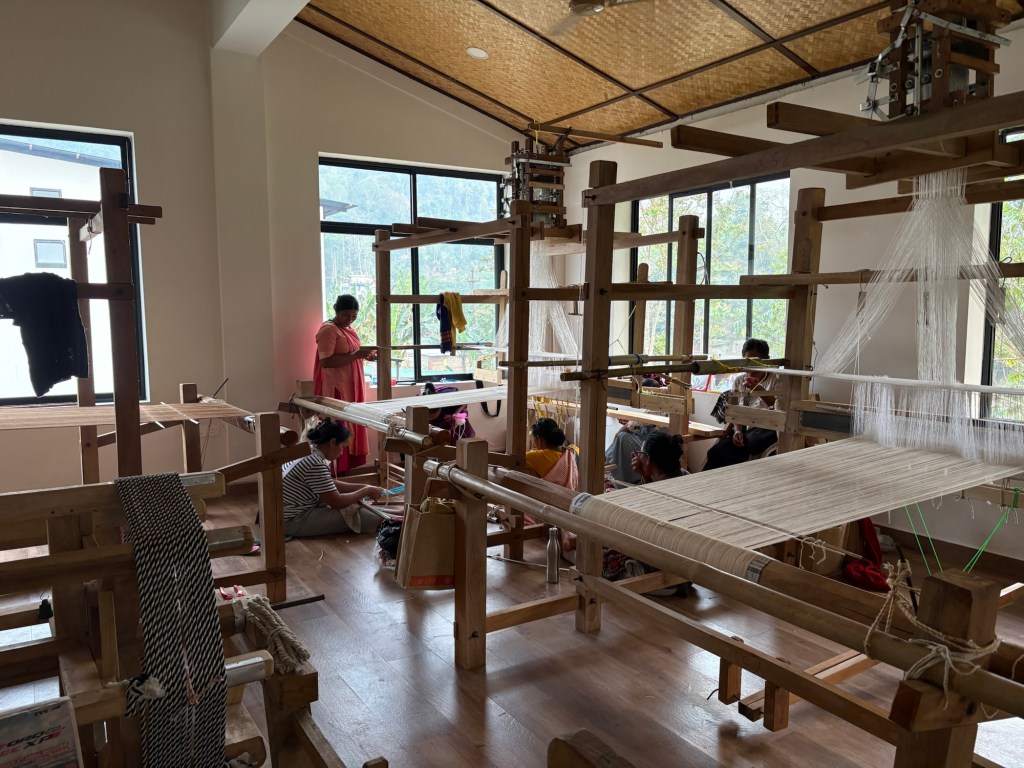
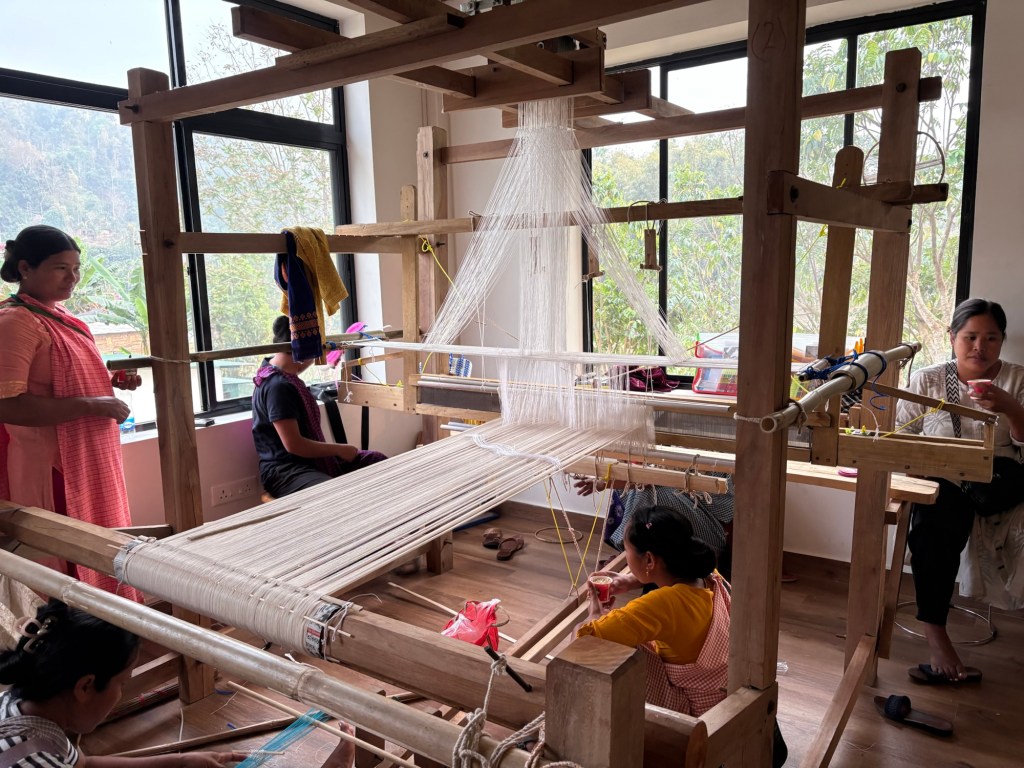
We did not have time to visit any more women entrepreneurs in their homes. We moved onto the Ri-Sai textile Centre. We saw women being trained to weave cloth and shawls on looms. The looms were splash of colours. Each district in Meghalaya had its own special woman, cloth and design. This was displayed in a map of Meghalaya.
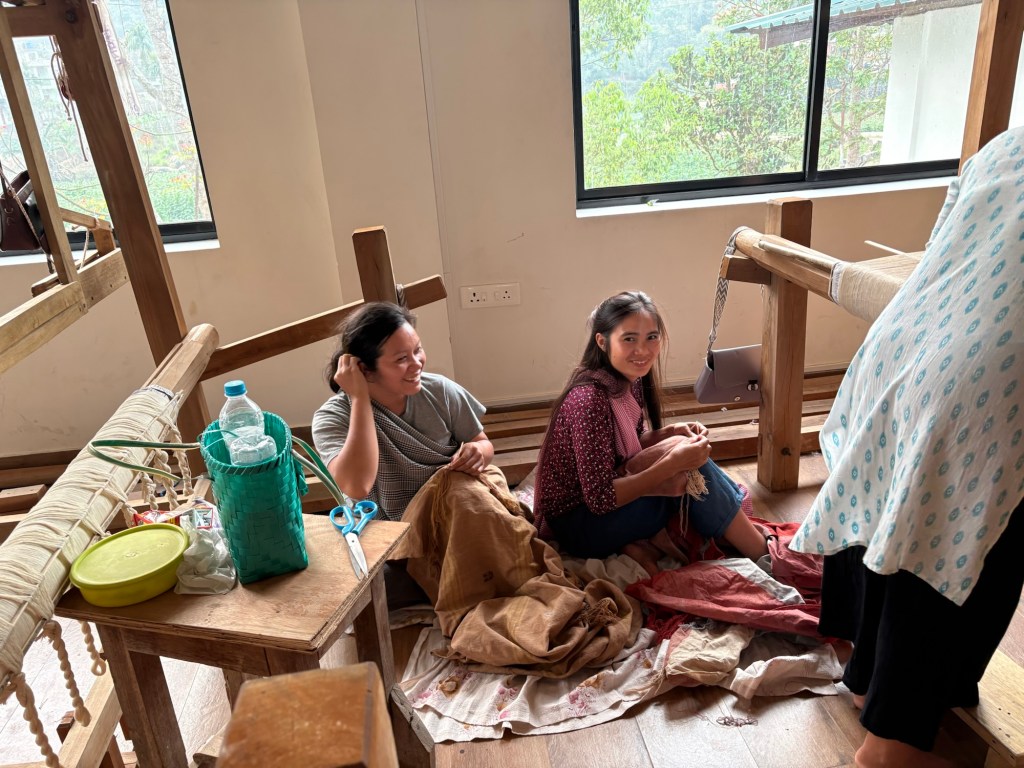
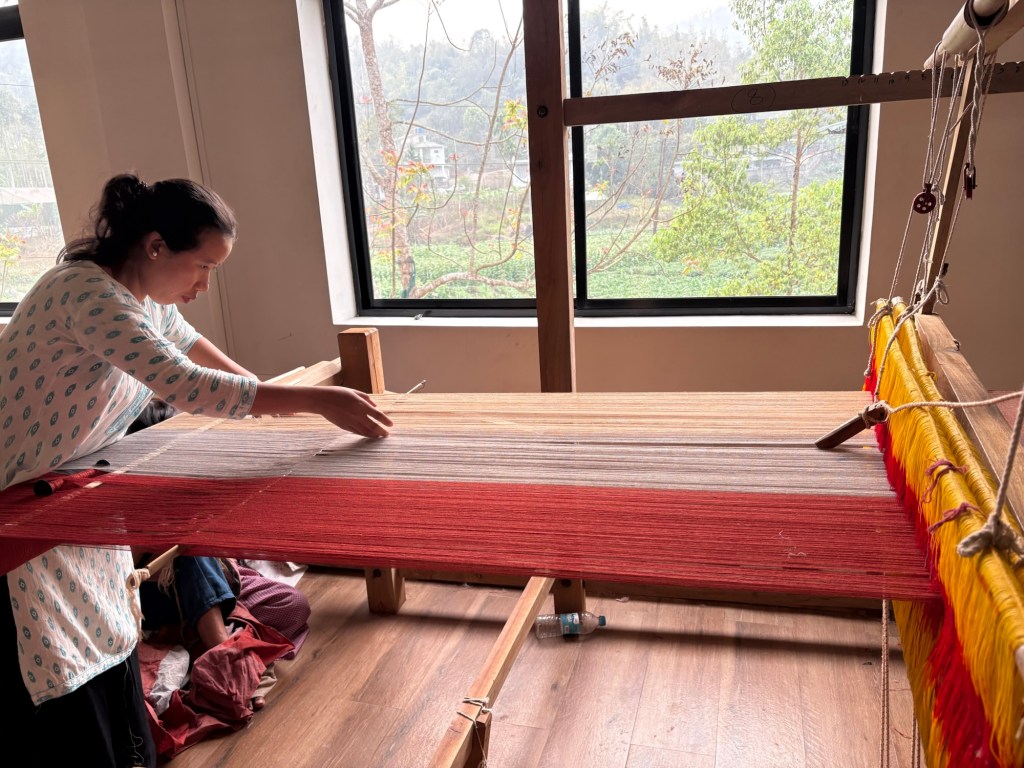
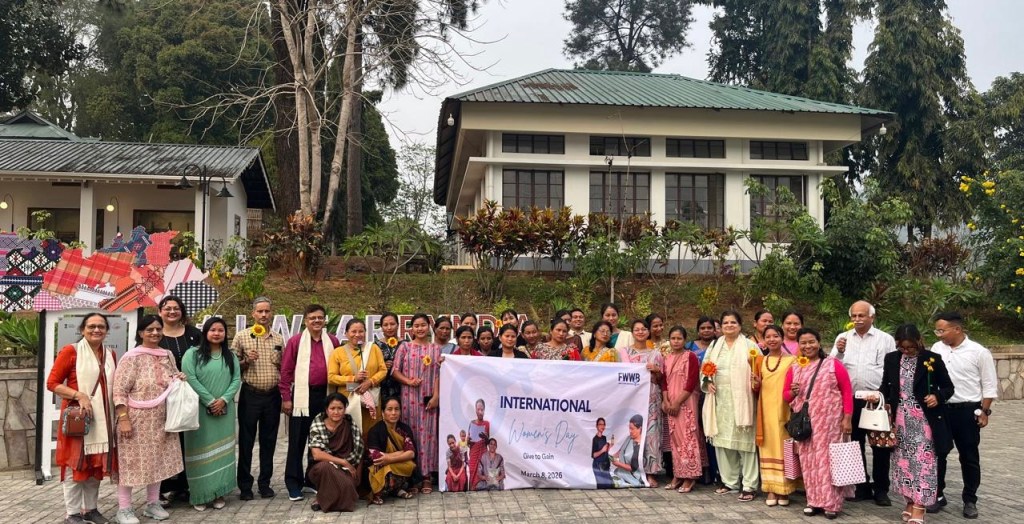
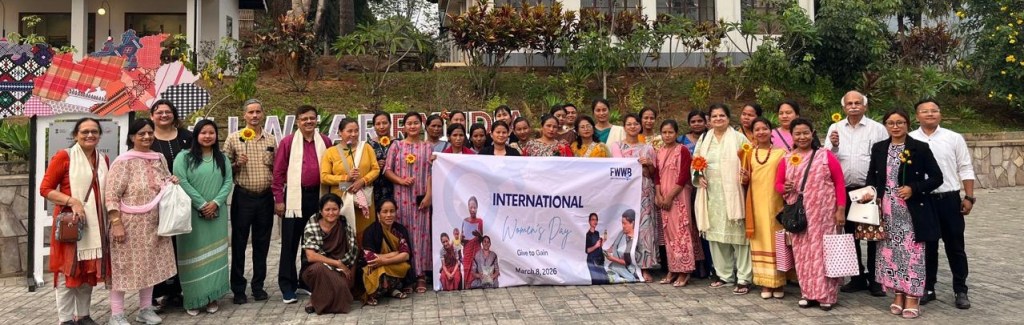
We had lunch with the 22 women entrepreneurs who had gathered there to meet us. We celebrated International Women’s Day by facilitating the 22 women, 12 were farmer entrepreneurs and 10 were non-farm entrepreneurs. They were felicitated with gifts and certificates as a token of encouragement and for their skills and entrepreneurship and their association with FWWB. Four women came forward and spoke enthusiastically about their skills and growth as entrepreneurs under the mentorship of FWWB.
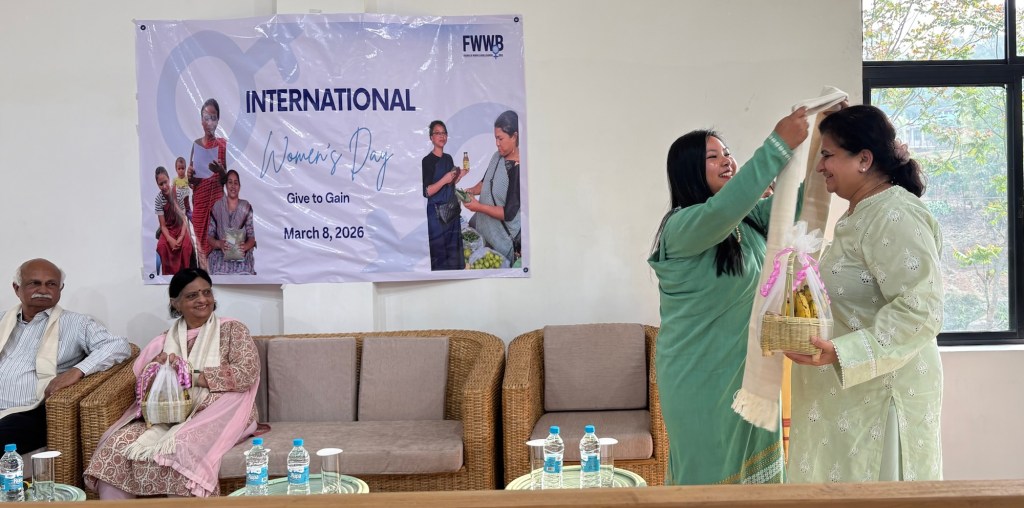
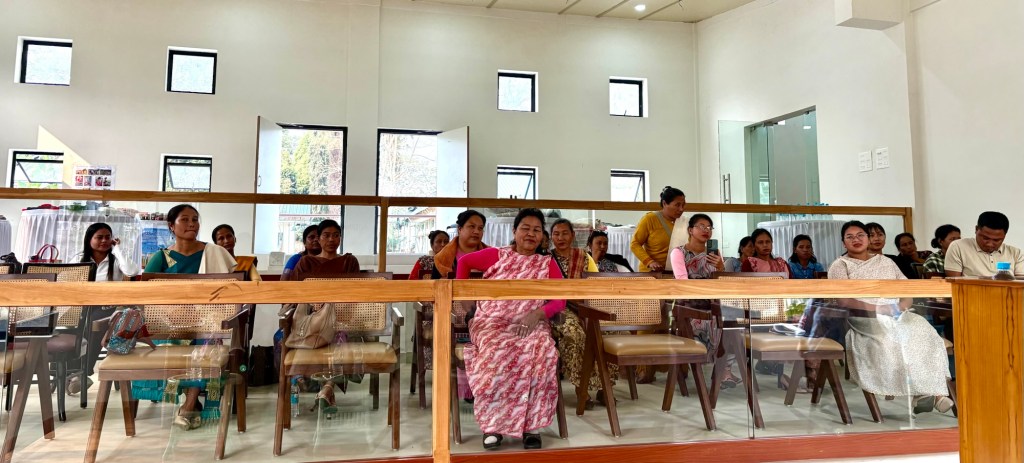
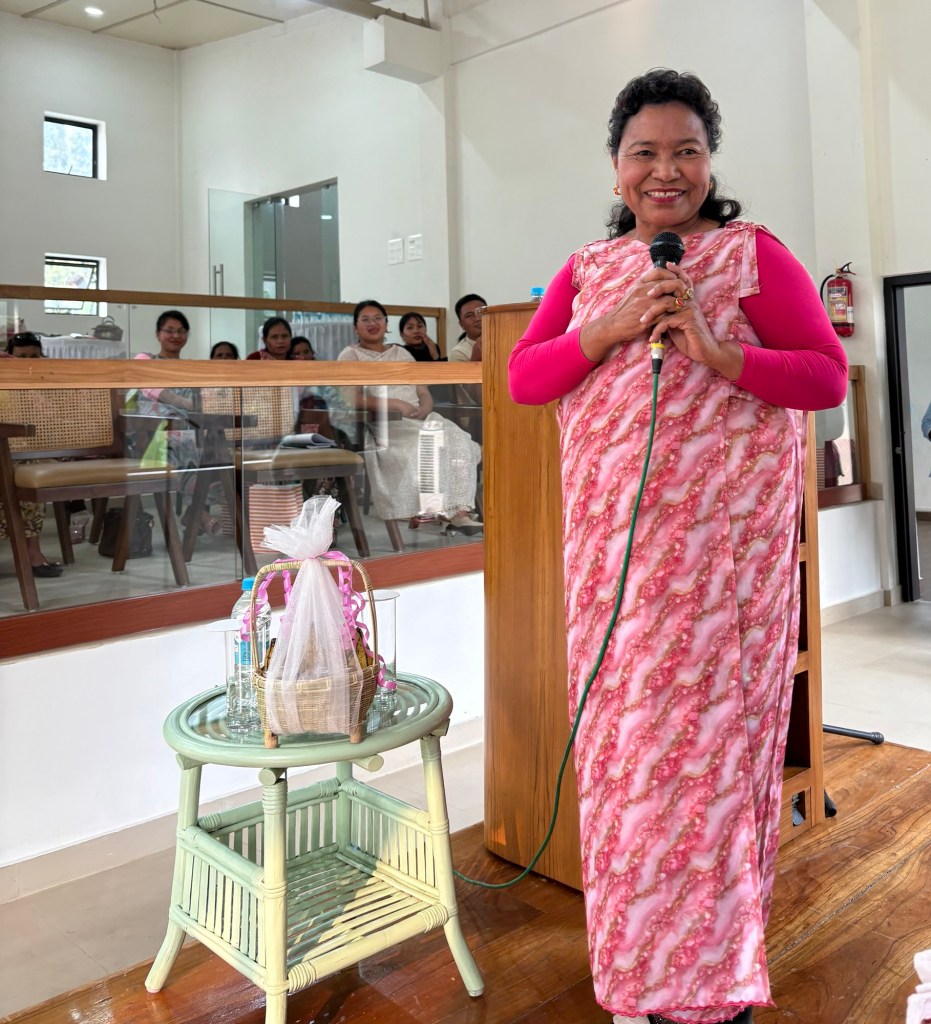
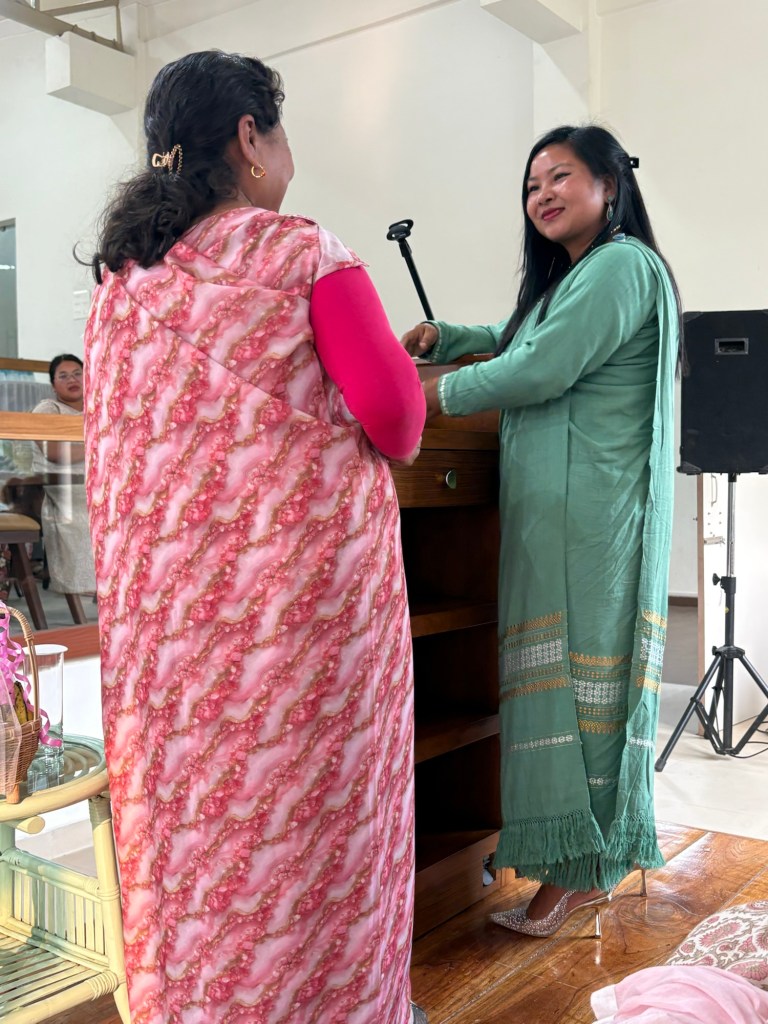
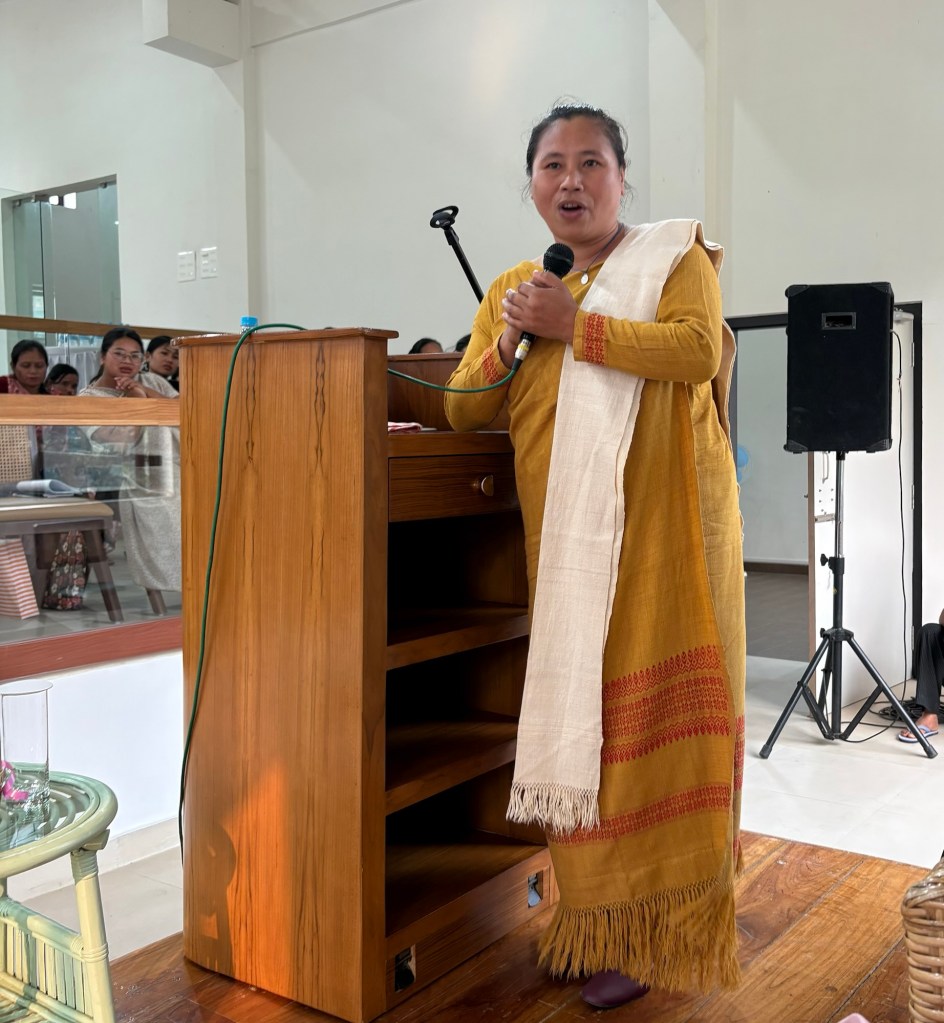
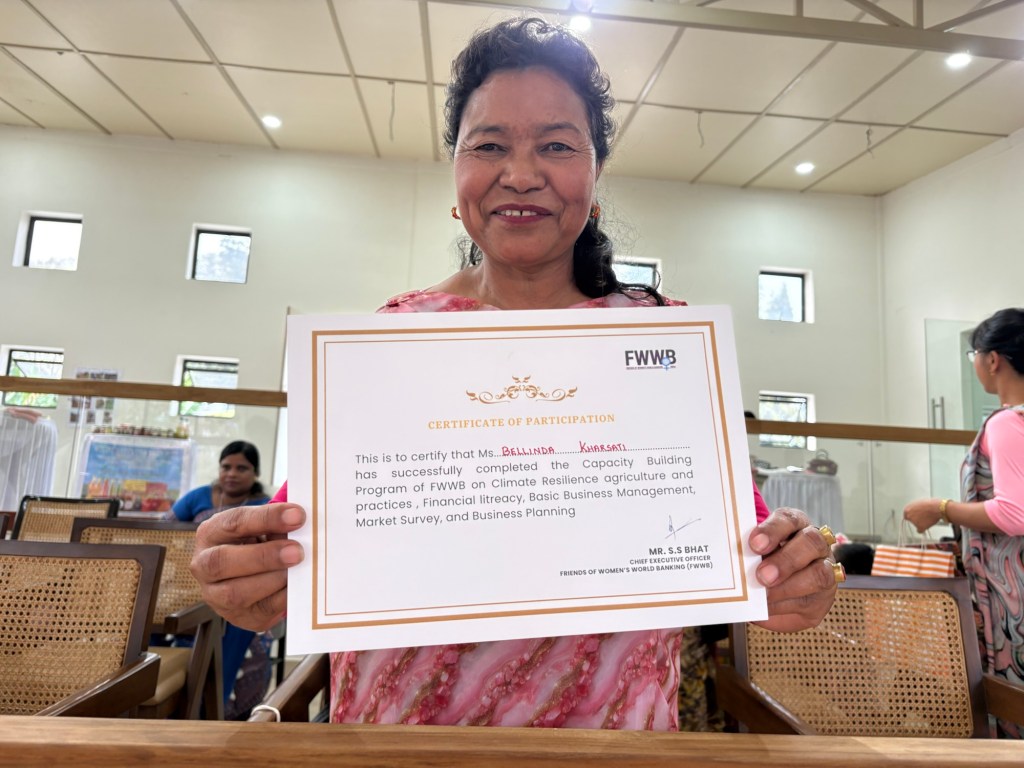
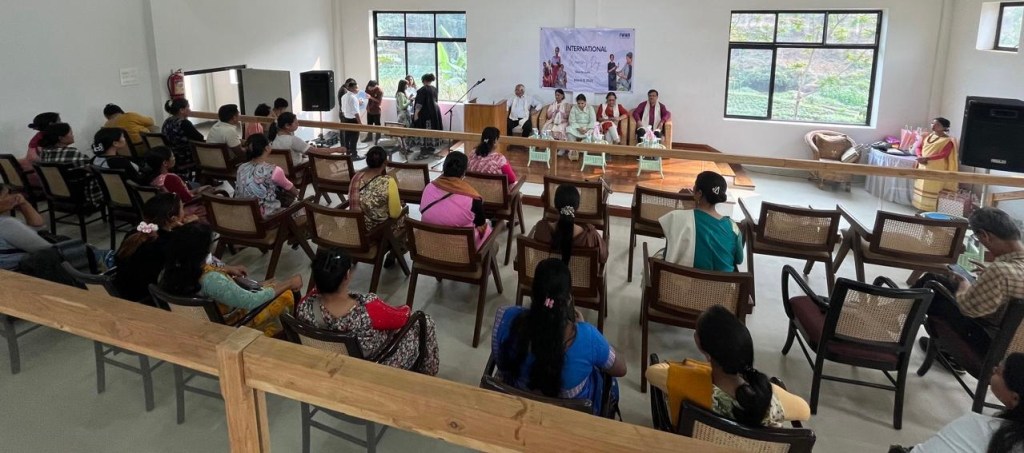
The women displayed their products in a ‘Hunar Haat’. Many of our members bought their farm and non-farm products. The products included organic herbs and spices, handloom articles, traditional pickles, and crochet articles. We also interacted with the women, entrepreneurs and listen to their stories. In their graciousness the women presented each one of us the crochet flowers they had made.
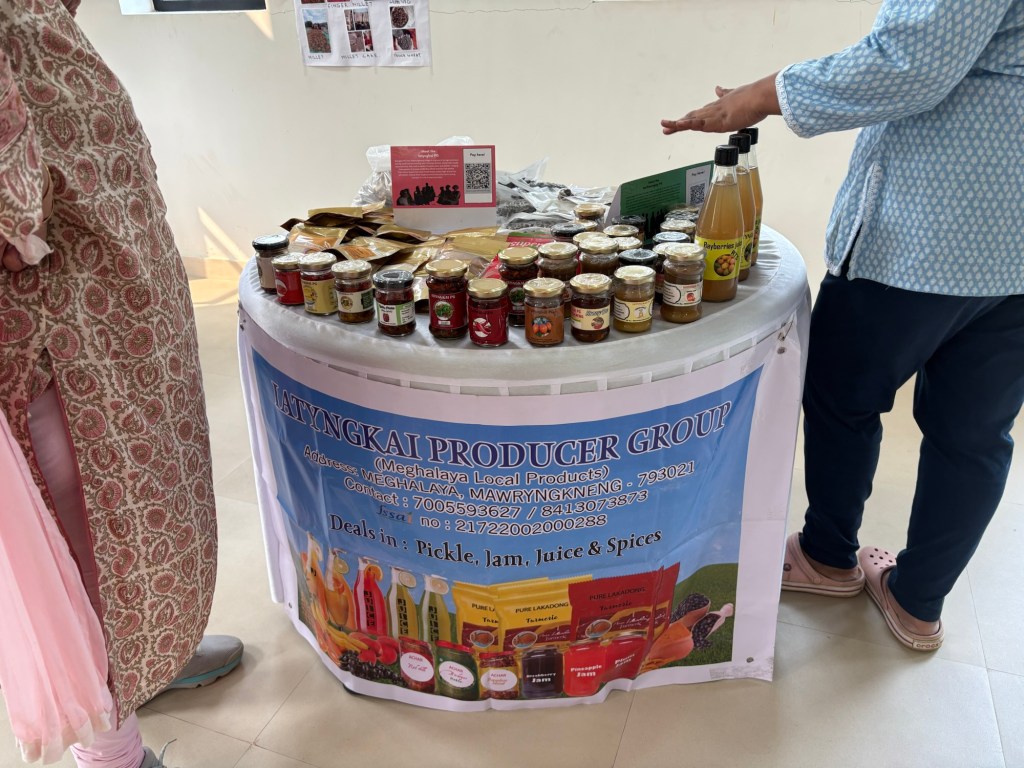
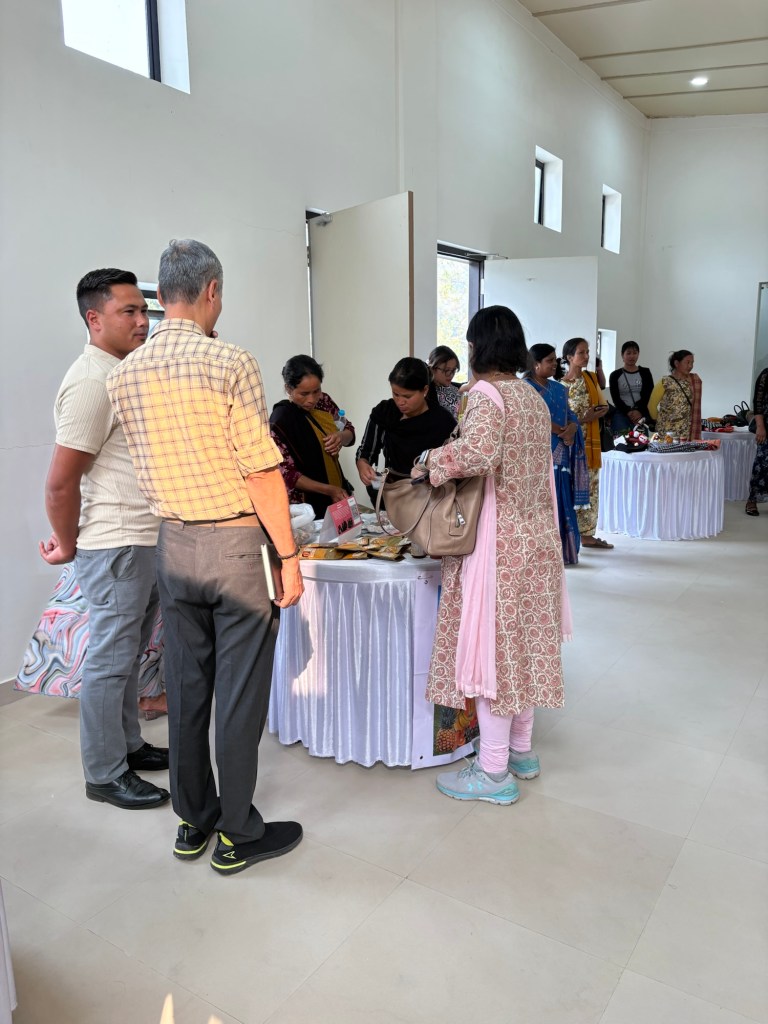
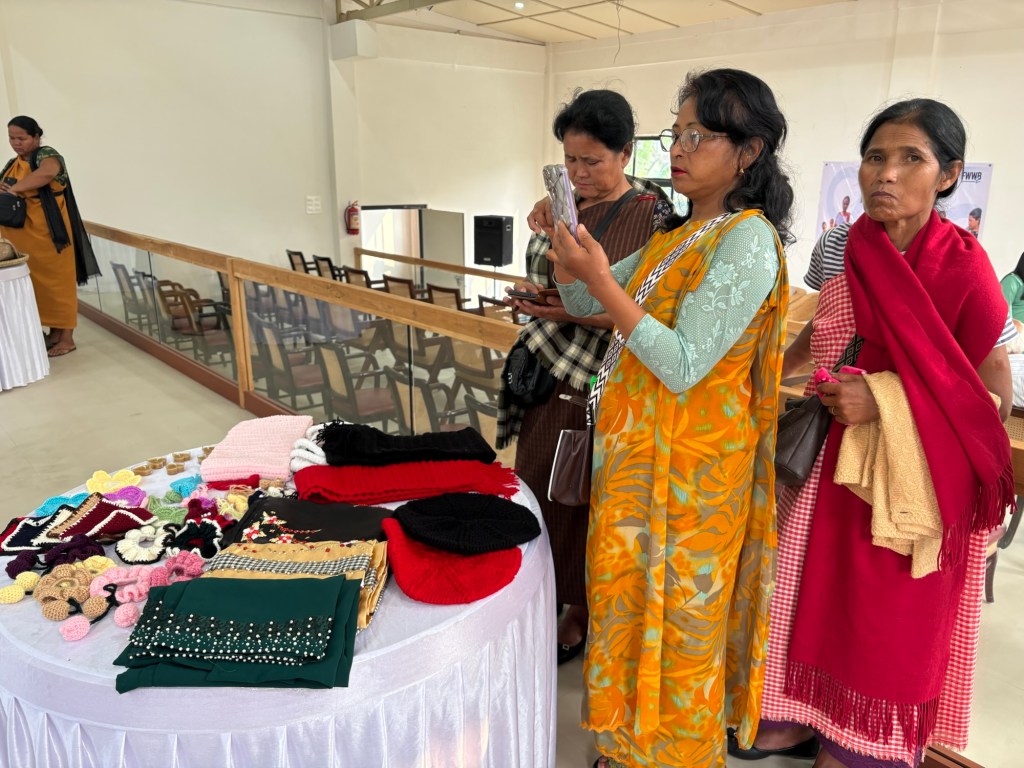
It was an experience that revealed the remarkable determination and creativity of rural women entrepreneurs who continue to build livelihoods despite limited resources and difficult circumstances. Throughout the visit, what stood out most clearly was the spirit of collective effort among the women. As we interacted with them, they shared stories of how they began their enterprises, the obstacles they had faced, and the gradual progress they had made with the support of FWWB’s capacity-building programs. Their narratives spoke of persistence—learning new skills, experimenting with small enterprises, and slowly gaining the confidence to participate in markets beyond their immediate communities. Despite operating in remote areas with limited infrastructure, these women have shown remarkable resilience. They continue to innovate, diversify their activities, and collaborate with one another. the experience was both humbling and inspiring. It reinforced the importance of sustained support for grassroots entrepreneurship and highlighted how even small interventions, when combined with local determination, can create meaningful change in the lives of women and their communities.
We finally departed for Guwahati with warm hugs and hopes of meeting again.

 Unni-Verse